





Introduction
The Garda shore is a botanical patchwork where Mediterranean climate meets alpine altitude, creating plant landscapes that are truly unique in Europe. Between the blue waters of Lago di Garda and the Prealps foothills, botanical walks along the lake offer as much scientific discovery as sensory delight: scents of rosemary and pine, sculptural agave silhouettes, and spring carpets of scrub dotted with wild orchids. This article lays out an immersive, practical route for anyone wanting to explore the flora of the Garda shore — from public gardens in town to lesser-known nature reserves, including islands and historic estates that shaped the lake’s botanical identity.
Starting in the south around Desenzano del Garda and Sirmione and heading north to Riva del Garda and Torbole, you’ll cross surprising microclimates: centuries-old olive trees on south-facing terraces, oleanders along lakefront promenades, and mixed stands of oaks and hornbeams higher up. Each place has its own plant palette and mood — formal Italian gardens, English-style landscape parks, Mediterranean maquis. It’s also a human story: noble villas, 19th-century garden designs and modern conservation efforts all contribute to the region’s current botanical richness.
This piece is meant as both a field guide and a sensory narrative. You’ll find detailed descriptions of the main botanical sites along the Garda shore, exact addresses, opening times and entrance fees, plus practical tips — best seasons to spot particular species, recommended gear, access by public transport or car, and small actions to respect protected habitats. Whether you’re a keen naturalist, a photographer, a hiker or simply someone who enjoys peaceful lakeside strolls, these walks will help you appreciate the biodiversity that gives Lago di Garda its distinctive character.
Before you set out, a few general recommendations: bring water, a good pair of walking shoes, a hat and a plant ID book or app. Stick to marked paths and avoid picking flowers, especially in nature reserves where some species are protected. Finally, plan your visits with opening times and seasons in mind: spring bloom (April–May) and late summer into September are prime times for botanical observation.
Giardino Botanico Fondazione André Heller (Gardone Riviera)
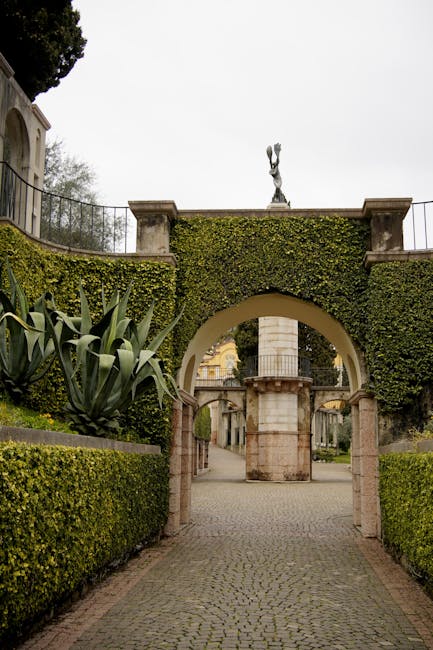
The Giardino Botanico Fondazione André Heller, often simply called « Heller Garden, » is one of the most emblematic stops for anyone wishing to discover the Garda shore’s plant life. Address: Viale Zanardelli 2, 25083 Gardone Riviera (BS). Perched above the lakeside promenade and integrated into the landscape of Il Vittoriale degli Italiani, this garden displays a rich collection of exotic and Mediterranean species mixed with contemporary sculptures and art installations. Expect Washingtonia palms, giant agaves, cycads, ancient olive trees and a spectacular bamboo avenue.
Opening hours: in high season (April–October) the garden is generally open from 09:00 to 18:00, sometimes until 19:00 in July and August; in low season hours are reduced and openings are occasional. Indicative admission: around €15 for the combined Il Vittoriale + Giardino ticket (full price), with discounts for students, seniors and families — check the official site before your visit for exact rates and combined offers. Ticket office address: Il Vittoriale degli Italiani, Viale del Vittoriale 12, 25083 Gardone Riviera.
Immersive description: on arrival you’re wrapped in a subtropical atmosphere, cicada song blending with jasmine and laurel fragrances. Winding paths invite frequent stops to inspect rare species and to photograph panoramic views over the Bay of Salò. Informational panels in Italian and English explain plant origins, historical uses and ecological notes.
Practical tips: arrive early to avoid crowds and enjoy soft light on the foliage; allow 1.5–2 hours for a relaxed visit. Paths are sloped and sometimes stony — lightweight walking shoes are recommended. In summer bring water and a hat — there are shady areas but also very exposed sections. Note that flash photography is allowed; for professional shoots, contact the foundation in advance.
Isola del Garda and the Villa Borghese Cavazza Gardens (San Felice del Benaco / Isola del Garda)
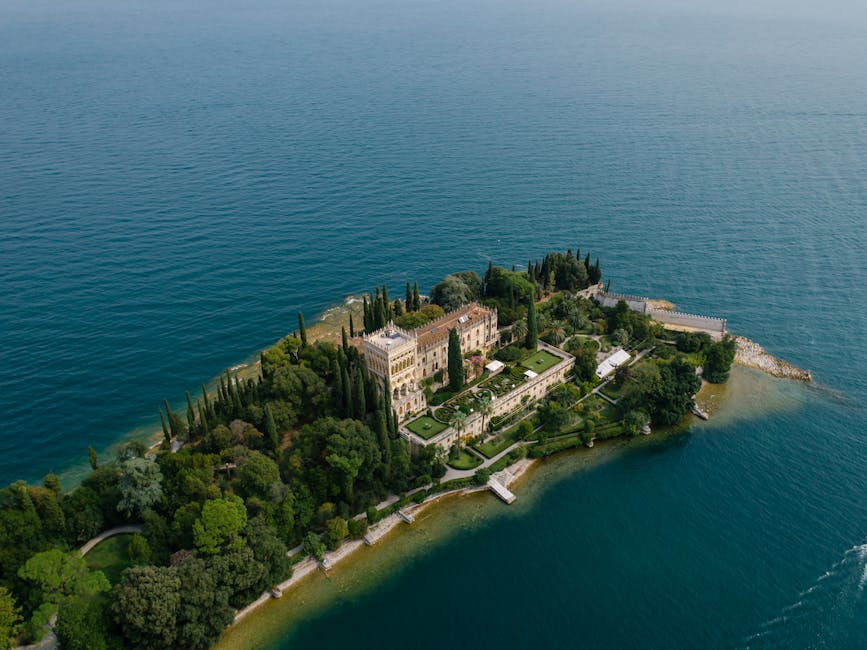
Isola del Garda is the largest island on the lake and famed for its Venetian-style villa and Italianate gardens. To visit, boats depart from Portese (San Felice del Benaco): recommended departure point address Porto di Portese, Lungolago Sarnico 1, 25010 San Felice del Benaco (BS). Guided boat tours include the crossing, an island visit (interiors of Villa Borghese Cavazza) and discovery of terraced gardens, tall cypresses, flower beds and olive groves.
Hours and prices: excursions run mainly from April to October. Departures are often scheduled at 09:30, 11:30, 14:30 and 16:30, but times vary with season and weather. Approximate price: between €35 and €45 per adult for the full guided visit (transport + entry), with children’s reductions (generally €20–€25). Booking is recommended through the San Felice del Benaco tourist office or authorized operators.
Immersive description: the estate is a patchwork of influences — formal box-lined avenues, topiary, small Mediterranean groves and lavender beds, all overlooking the lake. Terraces provide outstanding photo opportunities, especially at sunset when cypresses stand out against the horizon. The guided tour explains the island’s 19th-century transformation, terracing techniques and the challenges of island garden maintenance.
Local tips: check the weather the day before — boat trips may be cancelled in strong winds. Wear non-slip shoes for the villa’s steps and staircases. If you want sunrise or sunset photos, ask about special time slots occasionally offered; otherwise mid-morning visits are best for neutral light and easy reading of information panels.
Riserva Naturale della Rocca, dei Prati e del Sasso (Manerba del Garda)
The Riserva Naturale della Rocca, dei Prati e del Sasso at Manerba del Garda is a protected natural area notable for the diversity of its habitats: cliffs, dry meadows, Mediterranean maquis and riverside groves. Address: Via Rocca 1, 25080 Manerba del Garda (BS) (parking and information point at the trailhead near the Rocca). This reserve is ideal for botanical walks in search of adaptive species like Asphodelus, various wild orchids (Ophrys spp.) and xerophilous plants on the limestone ridges.
Access hours: the reserve is open year-round; trails are freely accessible, though the visitor center (if open — it’s recommended to check) has variable hours (generally 09:00–18:00 in high season). Entry is free, although certain guided activities or botanical workshops run by Parco Alto Garda Bresciano may be paid (prices vary, often €5–€15 per activity).
Immersive description: the Rocca trail leads to a promontory offering panoramic views over the Bay of Salò and the Garda islands. In spring the limestone meadows carpet with color: orchids, squills, cushions of thyme and wild coriander. Lower down, wetlands shelter edge plants and numerous pollinating insects. Sun-warmed limestone creates microclimates favorable to Mediterranean species while the inland side supports more continental trees.
Practical tips: stick to marked trails to avoid damaging protected meadows. Bring a magnifier or a small pair of binoculars to study floral details and pollinators. The climb to the Rocca can be steep in places; allow 1.5–2 hours for the round trip if you pause to observe. In summer start early to avoid the heat; in spring and autumn pack layers and a windbreaker.
Botanical Promenade of Sirmione and the Grotte di Catullo
Sirmione is a historic jewel on a southern peninsula of the lake and offers pleasant botanical strolls that combine history, architecture and lakeside vegetation. Two complementary spots: the Sirmione lakeside promenade (Lungolago Marconi / Lungolago Bertone) and the archaeological site of the Grotte di Catullo, located at the tip of the peninsula. Grotte di Catullo address: Via Grotte di Catullo, 25019 Sirmione (BS). The park around the archaeological site features transitional vegetation with olive trees, yews and Mediterranean species adapted to the protected microclimate.
Hours and prices: the Sirmione peninsula is freely accessible; to enter the Grotte di Catullo archaeological park usual high-season hours are 08:30–19:00 (times vary off-season). Indicative entrance fee: €6–€8 for the archaeological park (full price), with reductions for children and seniors. Castello Scaligero (Castello di Sirmione) is visited separately: Piazza Castello, 25019 Sirmione, with variable hours and prices (around €6).
Immersive description: the Lungolago promenade is lined with oleanders in summer, colorful oleanders and exotic trees planted in the 19th century when Sirmione became a spa destination. The Grotte di Catullo park is spacious and airy, with olive groves and meadows where medicinal and aromatic plants bloom. There’s a continuity between the archaeological heritage (Roman tufa ruins) and the botanical landscape that has been shaped and used by centuries of human activity.
Tips: combine the archaeological visit with a lakeside sunset stroll to enjoy the colors on the castle walls. For plant lovers, the best period is April–June for Mediterranean florals and September for soft light and cooler temperatures. Consider a combined ticket to save time if you plan to visit Castello Scaligero and Grotte di Catullo in the same day.
Trails of Parco Alto Garda Bresciano: Riva del Garda to Torbole
In the north of the lake, Riva del Garda and Torbole are gateways to more alpine trails that still retain Mediterranean elements thanks to exposure and local climate. The Parco Alto Garda Bresciano manages several routes and reserves: main information point at Piazza III Novembre, 38066 Riva del Garda (TN) (Riva Tourist Info). Recommended botanical routes include the climb toward Busatte-Tempesta (near Torbole) and the panoramic « Ponale » trail, which traverse vegetation zones from oleander-lined boulevards to chestnuts and conifers higher up.
Hours and access: trails are generally open year-round, though some sections may be closed for maintenance or rockfalls; check with the Riva tourist office (or the park website). Trail access is free; some park-led activities or naturalist workshops may be paid (typically €10–€25 depending on duration).
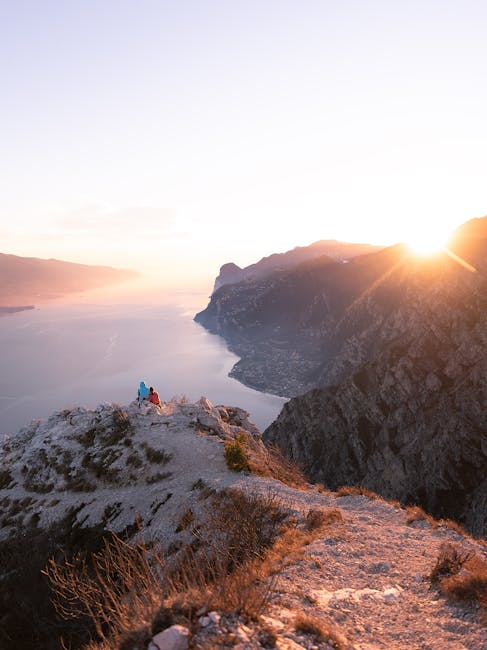
Immersive description: walking the sentiero del Ponale you move from lakeside vegetation — poplars, lindens and aromatic herb beds — to drier, rockier layers where broom, spurges and limestone grasslands grow. South-facing cliffs favor thermophilic species. Mid-route the view over the Gulf of Riva is breathtaking: the contrast between turquoise waters and limestone walls is a perfect backdrop for botanical observation.
Practical tips: many routes are doable on foot or by bike; check signage and the trail profile (elevation, length). Autumn keeps mild temperatures and fewer visitors, making it an excellent season for botanical walks. Carry a basic first aid kit and tell someone your route if you choose more isolated tracks. For parking: recommended lot at Piazzale Cesare Battisti, 38069 Torbole (TN).
Conclusion
The Garda shore is a place where botany reads like a living story, written by climate, geology and human influence. From the exotic gardens of Gardone Riviera to the tended terraces of Isola del Garda, from the limestone meadows of the Rocca at Manerba to the panoramic trails in the north, each walk reveals layers of biodiversity and fascinating ecological interactions. These sites offer experiences accessible to families out for a stroll as well as to naturalists searching for rare species.
Planning your walks with attention to opening hours, prices and weather conditions will help you make the most of them: visit municipal gardens early in the morning, book an excursion to Isola del Garda, bring water and proper shoes for the Rocca trails, or check with the Riva tourist office for routes maintained by Parco Alto Garda Bresciano. Respecting local rules — staying on paths, not picking protected species and limiting drone use without permission — helps preserve these sensitive areas.
Finally, for enthusiasts, several tourist offices and local organizations offer specialized guided tours (botany, photography, plant ID workshops): prices and schedules vary (generally €5–€25 depending on duration and provider) but these activities provide expert insight into the flora and its conservation. Whatever your level, let the plant diversity of Lago di Garda carry you: the reward is a multisensory immersion — colors, scents, textures — and the discovery of a little-known, fragile natural heritage worth preserving for future generations.