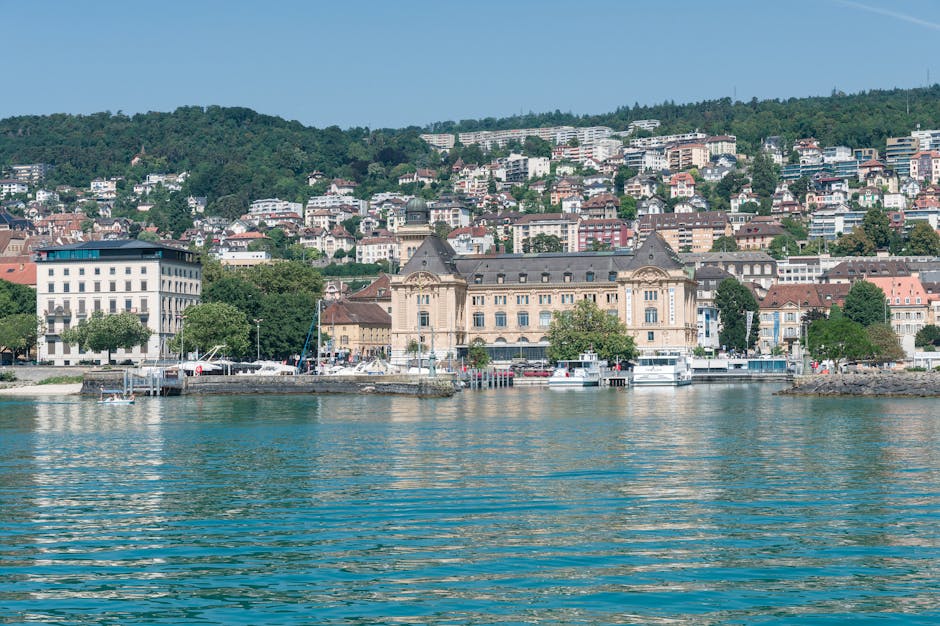






Introduction — Historic gardens, villas and the old parks of Lake Garda
Lake Garda (Lago di Garda), Italy’s largest lake, is a landscape where nature, history and garden design blend seamlessly. From the lavish estates of nobles and bourgeois families of the 17th–19th centuries to 20th-century landscape creations, the lakeshore is dotted with historic gardens, villas and parks that tell stories of shaded promenades, carefully framed vistas and collections of exotic plants. Visiting these places means stepping into a world where water, stone and vegetation converse in a Mediterranean palette: cypresses, citrus in pots, laurels, palms and landscape designs that flirt with both artifice and nature.
This practical guide takes you deep into Lake Garda’s historic gardens: how to get there, entry prices, typical opening hours and — most importantly — how to fully soak up the atmosphere of bygone times. You’ll find large estates open to the public, garden islands reachable by boat, archaeological parks that preserve historical gardens and modern botanical installations tucked away in charming lakeside villages. Each section provides detailed descriptions, practical tips (best times to visit, walking routes, photography pointers) and logistical information to help plan your trip.
Lake Garda is also a strongly seasonal destination: in spring azaleas, rhododendrons and magnolias burst into color; summer invites shady walks to escape the heat; autumn offers warm hues and soft light perfect for pictures; in winter several gardens close or reduce hours, but the atmosphere becomes quieter and more intimate. This guide acknowledges the diversity of sites: some operate as living museums with guided tours, others are free parks or nature reserves. Addresses, prices in euros and opening times shown here should be checked before you travel (sites occasionally update rates or opening periods), but they give a solid starting point to plan discovery-filled days.
Pack comfortable shoes, a hat for the sunny hours and a notebook to jot down impressions: every villa and park around Lake Garda has its own signature. Follow this guide to explore historic lakeside walks, admire botanical collections and rediscover the spirit of old gardens, where time seems to pause and landscape art takes center stage.
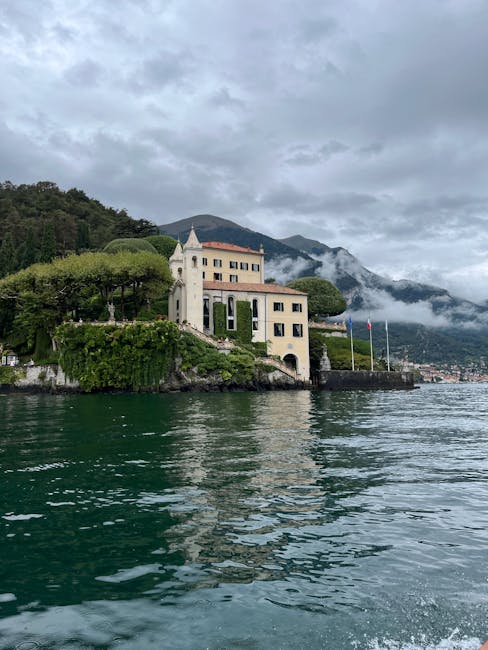
Vittoriale degli Italiani (Gardone Riviera) — Theater, gardens and a poet’s villa-museum
The Vittoriale degli Italiani is one of Lake Garda’s most spectacular museum and landscape complexes. Designed and lived in by the poet Gabriele D’Annunzio during the 1920s and 1930s, the Vittoriale brings together a villa, an amphitheater, terraced gardens, museums and eccentric objects (including seaplanes and barges turned into museum exhibits). The official address is Viale del Vittoriale, 12, 25083 Gardone Riviera (BS).
Hours and prices (indicative): Open daily from 09:00 to 18:00 between April and October; reduced hours off-season (typically 10:00–16:00 from November to March). Admission: around €14.00 for an adult, €11.00 reduced; free for very young children; audio guides in multiple languages available for an extra ~€3.00. Combined tickets with temporary exhibitions or concerts may also be offered.
Immersive description: entering down the grand avenue you’re immediately struck by a succession of terraces planted with cypresses, umbrella pines and oleanders that open onto viewpoints above the lake. The Vittoriale’s gardens are staged scenes: paved walkways, fountains and sculptures, stone steps and small loggias to sit and watch the blue of the lake and distant mountains. The large open-air amphitheater perched above the water is a masterful fusion of landscape and architecture: it has surprisingly good acoustics and offers exceptional photo opportunities at sunset.
Local tips: arrive early to avoid tour groups and enjoy soft morning light on the terraces; prioritize the interior museum tour to better understand D’Annunzio’s world; routes can be steep — wear comfortable shoes. The Vittoriale’s café-bar serves refreshments; for a proper lunch the village of Gardone Riviera (Via IV Novembre) has several authentic trattorie. Check the cultural calendar: in summer the Vittoriale hosts concerts and performances (tickets sell fast).
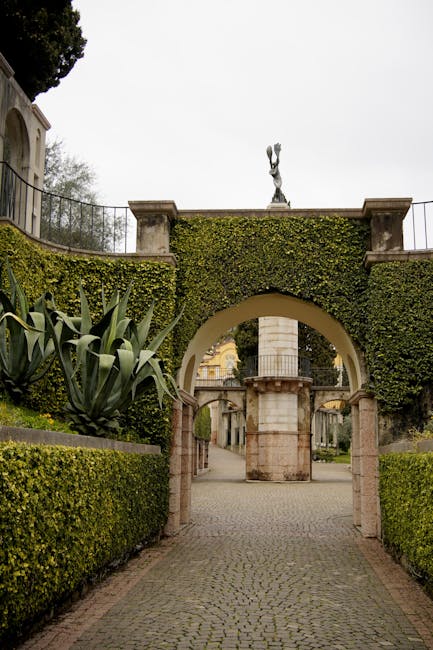
Giardino Botanico Fondazione André Heller (Gardone Riviera) — An exceptional garden where art meets exotic plants
Just a short walk from the Vittoriale, the Giardino Botanico Fondazione André Heller (address: Via Roma, 2, 25083 Gardone Riviera BS) is a privately founded contemporary garden showcasing an extraordinary collection of Mediterranean and subtropical plants. Artist and collector André Heller envisioned this garden to evoke exotic, poetic atmospheres, integrating sculptures, art pieces and surprising perspectives.
Hours and prices (indicative): High season (May–Sept) usually open 09:00–19:00; shoulder season 09:00–17:00; low season hours vary (possible January closure). Entry: around €12.00 for an adult; discounts for students/seniors (~€9.00); children free or discounted depending on age. Agencies sometimes offer combined tickets with the Vittoriale.
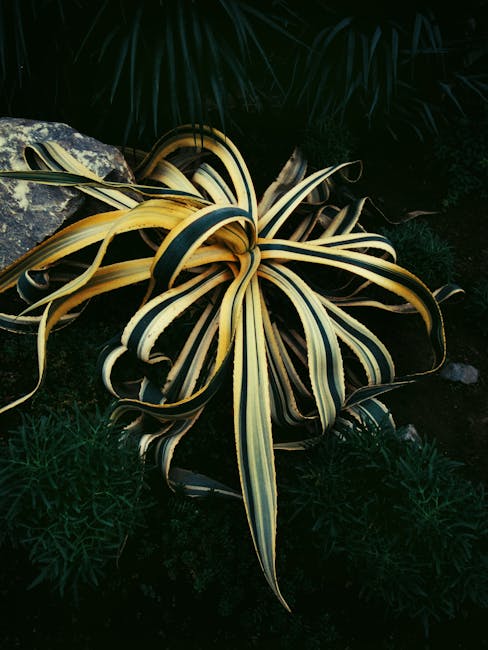
Immersive description: the trail winds through lush micro-landscapes: citrus trees in pots, exotic palms, giant ferns, succulents, historic greenhouses and small fountains. Paths are often paved with old slabs, shaded and sculpted into pockets of vegetation. The mood is theatrical: contemporary art — sculptures, installations and mosaics — punctuates the beds, creating visual breaks and surprises at every turn.
Local tips: bloom times are especially generous in spring (April–May) and autumn; bring a camera and a macro lens for botanical details; allow 1.5–2 hours to explore at a relaxed pace. Parts of the garden are accessible to visitors with reduced mobility—check at the entrance. To combine sites, visit the Vittoriale first then Heller in a half-day and finish with a stroll along Gardone Riviera’s lakeside promenade.
Isola del Garda — The garden island and neo-Gothic villa reached by boat
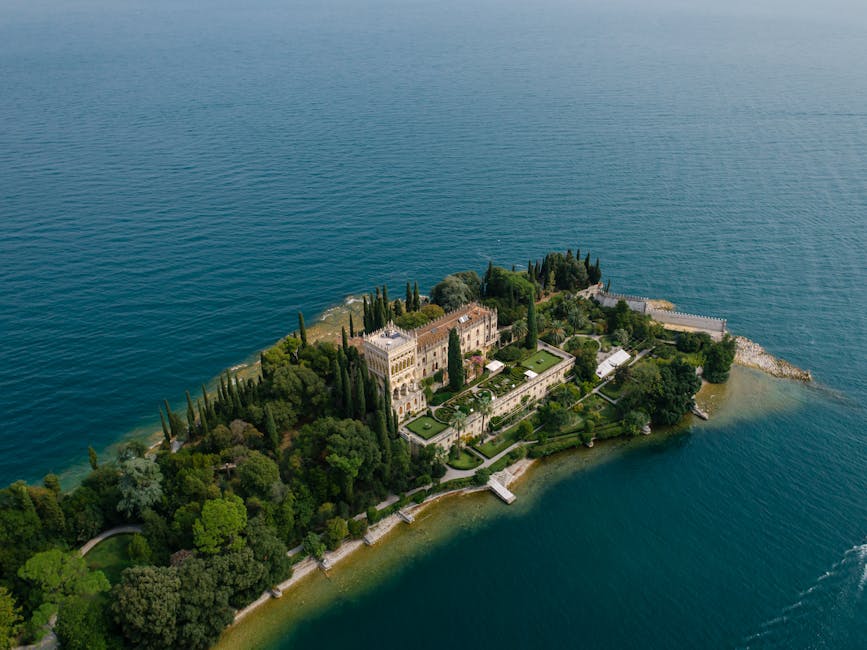
Isola del Garda is a private island off the shore of San Felice del Benaco and is accessible only via guided boat tours. The island hosts a striking neo-Gothic villa set in an aristocratic Italian garden: symmetrical avenues, parterres, pergolas and a terraced olive grove. Boat departures generally leave from the port of San Felice del Benaco (Piazza Matteotti, 25010 San Felice del Benaco BS) and from other southern-lake harbors.
Hours and prices (indicative): Guided boat tours to Isola del Garda run mainly from April to October with morning and afternoon departures (e.g., 10:00 and 14:30). Approximate price: €32–€38 per adult (includes boat crossing and guided tour of villa and gardens, about 90–120 minutes on the island). Bookings are recommended via local agencies or the island’s official site; group sizes per visit are limited.
Immersive description: approaching by water, the villa’s silhouette emerges amid a surge of cypresses and pines, with ornate facades, stone balconies and perspectives reminiscent of the Riviera’s aristocratic gardens. Once ashore you stroll along avenues lined with citrus in pots, manicured beds and groves that alternate lake views with shady nooks. Guides share the history of the Troubetzkoy family (historic owners) and the restoration work that has returned the property’s original appearance.
Local tips: spaces are limited — book at least a week ahead in high season; wear sturdy shoes (some cobbles and steps); bring sun protection for exposed areas; for photos aim for late morning or early evening to avoid backlighting. If you’re staying in San Felice del Benaco, combine the island visit with a village walk and a lakeside fish lunch at one of the harbor restaurants.
Parco Giardino Sigurtà (Valeggio sul Mincio) — A monumental historic park near the lake
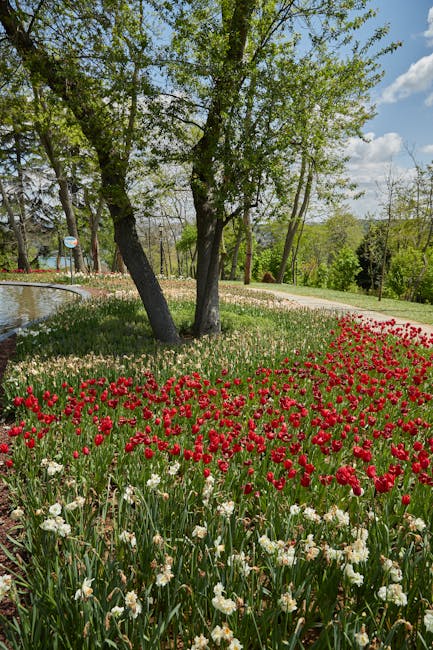
Although slightly inland from Lake Garda’s shore, Parco Giardino Sigurtà (Viale Tommaso Fusco, 1, 37067 Valeggio sul Mincio VR) is one of the region’s most admired historic parks and is worth a half-day trip from the lake’s southeast shore. This landscaped park stretches across roughly 60 hectares and features vast lawns, groves, flower-lined avenues, canals, bridges and a remarkable collection of tulips and roses in spring and summer.
Hours and prices (indicative): Generally open from March to November; summer hours 09:00–19:00; reduced hours off-season. Admission: around €14–€18 for an adult (depending on period and exhibitions), with discounts for children and seniors. Bike and small electric train rentals are available on-site (additional cost).
Immersive description: the walk begins with broad vistas opening onto meadows dotted with solitary trees; further on, boxwood mazes, tulip beds and groves mingle scents and colors. Expansive lawns alternate with water features reflecting poplars. The park is designed for contemplative strolls: numerous rest areas, rustic bridges and viewpoints showcase carefully composed floral displays. It’s ideal for families, photographers and lovers of both classic and modern garden styles.
Local tips: peak bloom (tulips and azaleas) is in spring (April–May); in summer visit early to enjoy shaded areas; renting an electric bike helps cover different sections without tiring yourself; bring a picnic to relax under a tree. Parking is ample; check whether online ticket purchase is recommended to avoid queues in high season.
Parco Archeologico delle Grotte di Catullo (Sirmione) — Roman ruins and Mediterranean gardens
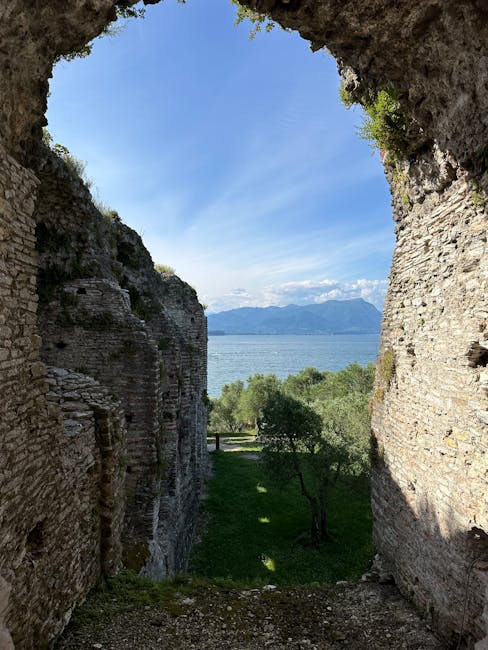
The Sirmione peninsula, at Lake Garda’s southern tip, is home to one of the area’s most fascinating archaeological and landscaped sites: Parco Archeologico delle Grotte di Catullo (Via Giosuè Carducci, 25019 Sirmione BS). The impressive remains of a Roman villa (commonly called the “Grotte di Catullo”) sit on a tongue of land, offering spectacular lake views and reconstructed or preserved gardens around the ruins.
Hours and prices (indicative): Usually open daily; high season 08:30–19:30; reduced hours off-season. Admission: around €6–€8 for an adult, reduced rates for students and seniors, free for very young children. Certain interior areas may be closed for conservation or restoration; temporary exhibitions and guided tours are offered at set times.
Immersive description: the approach often begins on foot from Sirmione’s historic center through medieval streets; once in the park you’ll appreciate the scale of foundations in opus reticulatum, terraces overlooking the lake and fragments of mosaics. Surrounding the ruins, lawns and beds of Mediterranean plants recreate an appropriate ambiance: laurels, rosemary, olive trees and a few maritime pines. The overall effect is a place where history and nature meet, and where landscape contemplation is an essential part of the archaeological visit.
Local tips: pair the park visit with a stroll through the historic center and, if you can, a thermal bath (Sirmione is also famous for its spas). For photographers, sunset is ideal when the ruins silhouette against a golden sky and the lake becomes mirror-like. Wear sturdy shoes: surfaces can be uneven and some paths are on slopes.
Rocca di Manerba and Park (Manerba del Garda) — Nature reserve, medieval rocca and cliff gardens
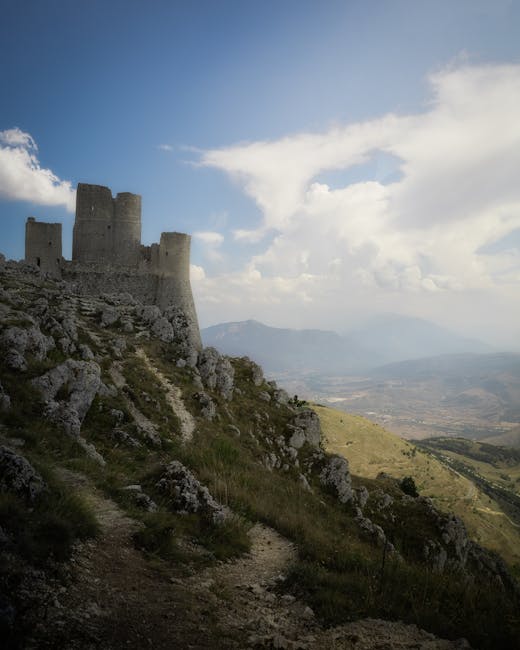
The Parco della Rocca and the medieval rocca of Manerba (Via Rocca, 1, 25080 Manerba del Garda BS) offer a different kind of experience: here landscape interest combines with a nature reserve and panoramic views over the Bay of Manerba and the southern basin of the lake. The site includes hiking trails, viewpoints, archaeological remains and areas where rocky vegetation meets coastal wetlands. Less formal than the villas, the park still preserves echoes of historical gardens in its terraces and Mediterranean plantings.
Hours and prices (indicative): The natural park is generally open daily, often from 08:00 to 19:00 depending on the season; access to the museum and archaeological trail may be ticketed (around €3–€6). Some sections protected for wildlife and flora may be temporarily closed. Entry parking is often paid in summer.
Immersive description: the main trail leads to a rocky platform crowned by the ruins of a medieval fortress. From there the view plunges over blue lake waters dotted with islets and headlands. The rock’s natural gardens mix junipers, sedums, wild lavender and Mediterranean herbs; below, wetlands and reedbeds shelter birds and dragonflies. The contrast between the rugged rock and the lake’s softness makes for very photogenic scenes.
Local tips: bring water and sun protection; some trails are steep and require good footwear; the climb to the rocca rewards you with successive panoramas — stop at intermediate viewpoints. Birdwatchers should favor early morning for wildlife sightings; photographers will appreciate soft morning or evening light. Combine the visit with a swim in one of the small coves of the bay for a relaxing afternoon.
Conclusion — How to prepare and savor the discovery of Lake Garda’s historic gardens
The historic gardens, villas and parks around Lake Garda offer a range of experiences from the spectacular (the Vittoriale’s villa-museum and amphitheater) to the poetic (the greenhouses and paths of Giardino Heller), the romantic (Isola del Garda) and the wild (Rocca di Manerba). To craft a successful itinerary, aim for variety: pair a period villa with a botanically rich park and an island excursion to appreciate all facets of the lakeside landscape. Mind the rhythm: choose morning and late-afternoon visits to avoid heat and enjoy the best light for photography.
Practical info: always double-check opening hours and prices on official sites before you go (times and fees in this guide are useful estimates but subject to change). Buy tickets in advance for limited-access sites (Isola del Garda, Vittoriale concerts) and allow time for driving along coastal roads, which are often narrow and busy in high season. For visitors with reduced mobility, ask about accessibility: some historic gardens have steps and slopes, but several sites offer partially adapted routes.
Final local tips: taste lakeside specialties (fresh lake fish, local risottos) at trattorie near the harbors, mix culture with a swim to balance your days, and if you have time rent an e-bike to cover more gardens and enjoy lakeside cycle paths. Above all, take the time to listen: Lake Garda is best enjoyed both in stillness and on the move — the old gardens tell the stories of the people who shaped this landscape. By respecting the places, choosing the right moments and letting yourself be immersed, your strolls through these historic gardens will become memorable highlights of your Lake Garda stay.