





Introduction — Handcrafted limoncello on Lake Garda: why this liqueur charms travelers
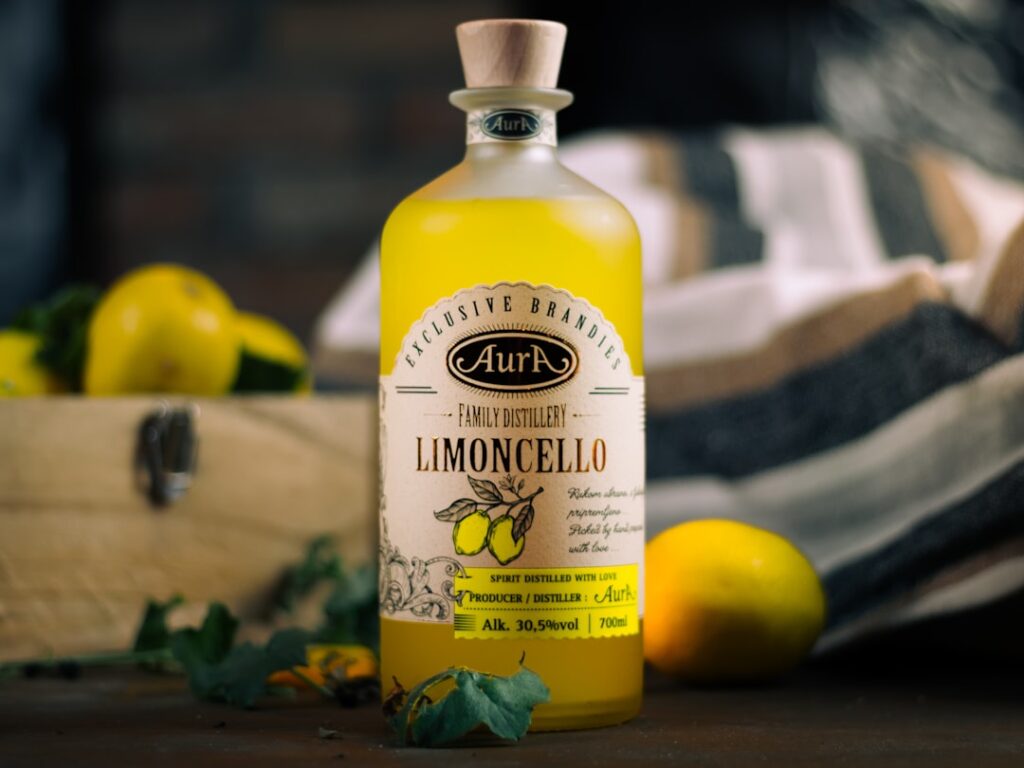
Among the images that shape Italy in many minds are the glossy lemon, its thick fragrant peel, the carefully zested rind, and that small translucent glass served ice-cold after a terrace dinner. Limoncello is both a souvenir and an experience: a digestif, a convivial elixir, a concentrated taste of sunshine. While the Amalfi Coast and Capri are often credited as limoncello’s birthplaces, the shores of Lake Garda have their own artisanal tradition, shaped by microclimates, terraced orchards and a culinary culture that gives the lemon a starring role. Visiting the craft distilleries around Lake Garda is a plunge into a geography of taste where citrus notes converse with the morning breeze, boat wakes and local markets.
This guide lays out an immersive route: from small family distilleries and discreet workshops to more established houses that elevate limoncello to an art form. Far from industrial plants, “handmade” here means slow maceration, respect for the lemon peel (often organic), recipes passed down through generations, and guided tastings that tell as much about the terroir as the technique. You’ll learn not only where to buy a bottle, but what a visit involves: the clean cut of the peel, the scent of neutral spirit steeping for weeks, the skillful sugar balance to tame acidity, and sometimes flavored twists with basil, rosemary or lavender.
Lake Garda offers a superb setting for these discoveries: medieval villages clinging to hillsides, olive groves and lemon trees sheltered by thermal winds, little piazzas where you can enjoy a slice of lemon tart with an ice-cold limoncello. This guide is practical: full addresses, opening hours, indicative prices for tours and bottles, tips for combining tastings with walks, and local tricks to bring your bottle home safely. Whether you’re a curious enthusiast, a food lover or a photographer hunting the perfect lemon-by-the-water shot, these stops will give you the keys to a full sensory experience of handcrafted limoncello on Lake Garda.
Before you set off, keep a few basics in mind: book visits in advance (most small workshops only take small groups), pack a cooler for transporting bottles in summer, and leave room in your luggage for a few jars of candied peel — a classic edible souvenir. Also consider exploring outside peak tourist hours (sunrise by the lake or late afternoon before sunset): the light and calm make wandering among lemons and stills simply unforgettable.
Distilleria Artigianale Il Cedro — Limone sul Garda: the family workshop on the hill
In the heart of Limone sul Garda, a village whose very name speaks of the fruit, Distilleria Artigianale Il Cedro is a classic family-run business that has blended tradition with discreet tourist hospitality. Name and vibe: “Il Cedro” is located at Via Guglielmo Marconi 12, 25017 Limone sul Garda (BS). The distillery sits in a former fishermen’s space, just steps from the lakeside promenade, with a small courtyard where lemon peels are sun-dried before maceration.
Hours and tours: open Tuesday to Sunday, 10:00–18:00 (closed Mondays). Guided tours last around 45 minutes; booking by phone at +39 0365 123456 is recommended (number indicative — confirm online where possible). The guided tour costs €12 per person and includes a tasting of three limoncellos (classic, rosemary and honey) plus an information sheet with recipes. Private groups can book special sessions at €18 per person with a peel-handling workshop.
Sensory profile and method: at Il Cedro the lemons mostly come from nearby orchards protected from the lake wind; peels are hand-removed, avoiding the white pith (albedo) to prevent bitterness. Maceration in neutral alcohol lasts 21 to 35 days depending on the season and fruit ripeness. Unrefined cane sugar is used to add a characteristic roundness. The workshop emphasizes freshness: bottles are not pasteurized, preserving a very bright aromatic bouquet but requiring adherence to a shelf life (about 12 to 18 months unopened).
Purchases and prices: 200 ml bottle €12, 500 ml €22, discovery set 3 x 50 ml €15. Other products include candied peel (200 g) €6 and limoncello biscuits (pack of 6) €5. Card and cash accepted; international shipping available via their online shop (additional fees apply).
Practical tips: arrive mid-morning to enjoy the sunny courtyard; in high season (July–August) tours can fill up, so reserve 48 hours in advance. If you’re prone to motion sickness on winding roads, consider arriving by boat from Riva del Garda or Salò — disembark at Limone’s small harbor and reach Il Cedro in a 5-minute walk. Bottles are also sold “ready to chill” (pre-refrigerated) for immediate lakeside tasting.
Villa Limoneto — Sirmione: villa-made limoncello and tastings by the castle walls
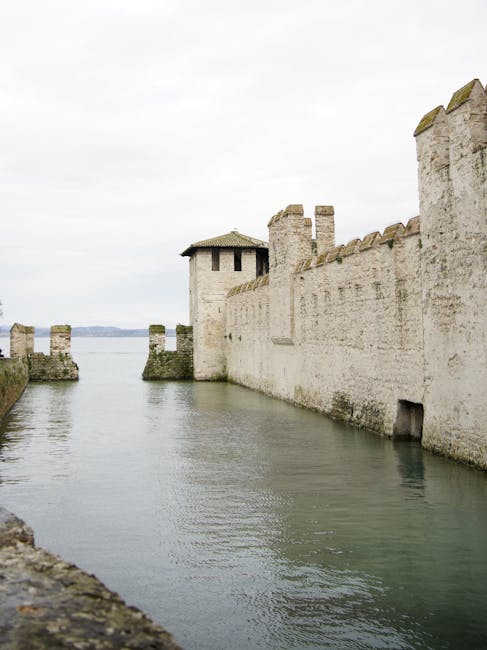
Sirmione is famous for its medieval alleys and thermal baths; less well known is Villa Limoneto, a small distillery set in a lemon garden beneath the walls of Castello Scaligero. Address: Villa Limoneto, Via Lungo Lago Desenzano 12, 25019 Sirmione (BS). The site combines a botanical walk and distillation workshop — ideal for those who enjoy the link between plant and finished product.
Hours: open daily 09:30–17:30 (closed Wednesday mornings). Guided tours run at 10:30, 14:00 and 16:00; booking is recommended via email [email protected] or by phone +39 030 654321 (number indicative). The standard price is €18 per person and includes a stroll through the lemon garden, a demonstration of peel removal with a spatula, and a tasting of two limoncellos (classic and a chestnut-barrel-aged version).
Technique and signature: Villa Limoneto favors a short maceration (10–14 days) to preserve the zest’s brightness, followed by aging in small barrels for 3 to 6 months for the “affinato” version. The approach is very focused on aroma: they use the Femminello lemon variety for its high-essential oils, gentle filtration and partially caramelized sugar for indulgent notes. Production is limited to a few thousand bottles per year, making each batch relatively sought-after.
Buying and prices: 350 ml classic bottle €18, 500 ml affinato €30, gift set with a liqueur glass €35. Introductory limoncello-making workshop (2 hours): €45 per person, limited to 8 participants, includes a recipe booklet. Private terrace tastings with lake views are available from €70 for two people.
Local tips: pair the visit with a dip at the famed Virgilio Thermal Baths or a walk up to the Castello Scaligero’s rocca. Parking in Sirmione can be expensive and fills up fast in summer: prefer the train (Sirmione–Salò station) or the boat from Desenzano del Garda. If arriving by ferry, the villa is a 12-minute walk from the small harbor. Final tip: buy a small bottle of the “affinato” — stored at room temperature it reveals surprising almond and honey notes after a few months.
GardaLimo — Lazise: contemporary design and experimental limoncello
In Lazise on the lake’s east shore, GardaLimo (Via Gardesana 45, 37017 Lazise, VR) represents the modern face of artisanal limoncello: sleek packaging, experimental recipes and a minimalist tasting space. Housed in a renovated cannery, this spot attracts a younger crowd looking for innovative flavors — lemon-basil infusions, peach-limoncello blends, and even sparkling limoncello for cocktails.
Hours and tours: open Thursday to Monday, 11:00–19:00, closed Tuesday and Wednesday. Short guided tours (30 minutes) are free and include a mini-tasting of two references; for a 90-minute masterclass (creation workshop) expect €35 per person — online reservation required via www.gardalimo.it or by phone +39 045 987654 (number indicative). Workshops usually happen Friday evenings, perfect for starting a night out after the beach.
Features and production: GardaLimo works in small batches (a few hundred bottles) using 95% neutral spirit as a base while experimenting with extraction methods (cold infusion, controlled hot-water extraction). One local hit is the “GardaLimo Rosato”: a light limoncello with a short maceration and added pomegranate juice for color and balancing acidity. The on-site lab also offers demos of modern equipment (stainless-steel stills, pressure filters) while explaining ethical choices: local citrus when possible, recyclable packaging.
Buying and prices: 200 ml bottles €14, 500 ml €26, limited “Rosato” 500 ml €32. The shop also offers ready-to-gift sets and a “bottle club” subscription (annual delivery of 3 bottles for €70). Card, PayPal and cash accepted; postal shipping in Europe available (€15 shipping).
Practical tips: GardaLimo is perfect for travelers who want to combine stylish shopping and Instagram-ready photos. The store is a 7-minute walk from Lazise’s harbor and 5 minutes from the old town; it’s easy to grab a coffee along the promenade after visiting. Note that some experimental releases contain less sugar and can be more schnapps-like: ask for a sample before buying if you prefer a sweeter profile.
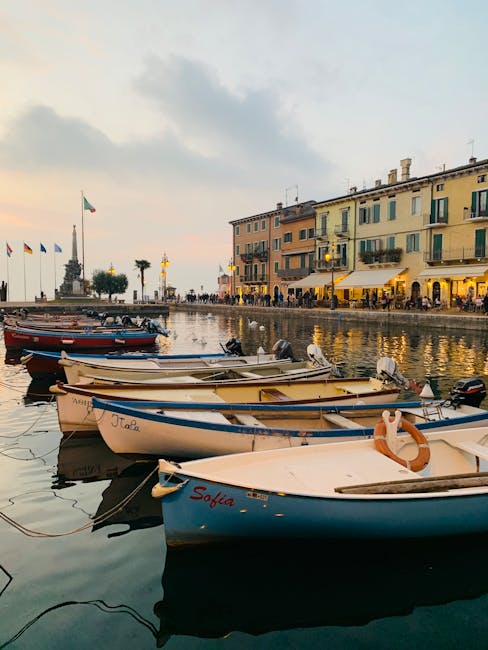
Microdistillerie Monti Garda — Malcesine: limoncello with alpine views
Malcesine, clinging to the slopes of Monte Baldo, hosts Microdistillerie Monti Garda (Via XX Settembre 7, 37018 Malcesine, VR), a small site where limoncello meets altitude. The twist: lemons are sometimes paired with mountain herbs (thyme, juniper) that lend a distinctly resinous aromatic profile, perfect as a digestif after a lake fish meal.
Hours and tours: open Wednesday to Sunday, 10:00–17:00. Guided tours by reservation cost €15 per person (1 hour) and include a walk to the panoramic terrace and a tasting of three variants (classic, thyme, juniper). Booking is recommended by email [email protected] or by phone +39 045 332211 (number indicative).
Methods and flavors: Monti Garda uses traditional maceration but reduces sugar to let the herbal notes shine. Annual production is very limited (a few hundred bottles), and some batches like the “Limoncello al Timo” are numbered. Techniques include fractional distillation to isolate brighter essences and partial oak cask aging to soften tannins if producing a “barrique” style.
Purchases and prices: 200 ml bottle €16, 500 ml €28, limited “al Timo” 500 ml €42. Private evening workshops (apéro-distillation) are available from €120 for 4 people. The microdistillery also sells accessories (hand-blown liqueur glasses, decanters) priced €8–€45.
Local tips: pair the visit with the Monte Baldo cable car ride for a spectacular view — the station is a 10-minute walk from the microdistillery. In winter some trails close, but the lake’s winter atmosphere and the scent of citrus warming in the kitchen can make tastings even cozier. If you arrive by ferry to Malcesine, wear comfortable shoes: the narrow cobbled lanes are charming but steep.
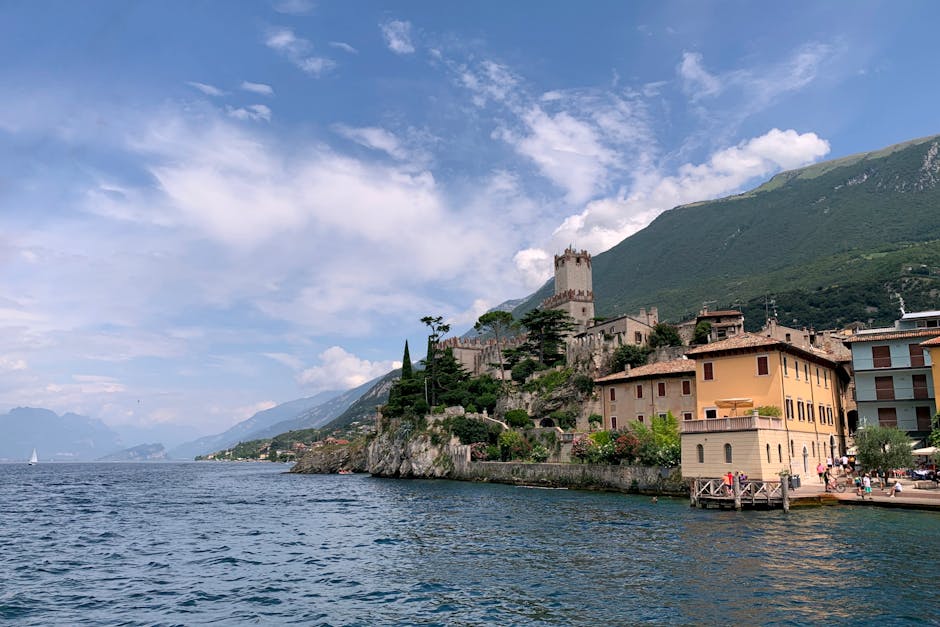
Practical tips for planning your limoncello circuit around Lake Garda
Organizing distillery visits requires a few simple rules to maximize enjoyment and safety. Here are practical tips that apply to all the stops above and to other artisanal workshops you might discover around the lake:
- Booking: Almost all artisan distilleries require reservations, especially in high season (June–September). Book at least 48 hours ahead for standard tours and 1–2 weeks for private workshops or masterclasses.
- Transport: driving around Lake Garda can be winding; consider the ferry or boat taxi to connect places like Limone sul Garda, Malcesine and Sirmione. Main train stations are Desenzano del Garda and Peschiera del Garda, well linked to lakeside towns.
- Budget: expect €12–€45 per visit depending on the workshop level; an artisanal bottle typically costs €12–€40. Allow €10–€20 for a local lunch if you plan to combine tasting and a meal.
- Transporting bottles: bring bubble bottle sleeves or pack bottles snugly in your luggage; some places offer airline-safe packaging. Check airline rules for alcohol in checked baggage.
- Best time: late May to early October offers pleasant weather and lemons in full vigor; April and October have fewer crowds and great photography light.
- Language: most tours are in Italian; many small distilleries offer an English introduction if requested when booking. Learning a few Italian words like “limoncello”, “assaggio” (tasting) or “grazie” always helps.
- Allergies and tolerance: artisanal limoncellos can be strong (30–40% ABV); if you’re sensitive to alcohol, ask for smaller pours or lower-sugar versions.
Finally, keep an explorer’s mindset: on Lake Garda the best find might be a tiny off-the-beaten-path shop where a producer offers you a glass and a story. Support small local businesses by buying a few products (candied peel, small limoncello bottles) to help these artisans thrive, and bring home more than a bottle — bring back a memory of the light, scents and warmth of the lake.
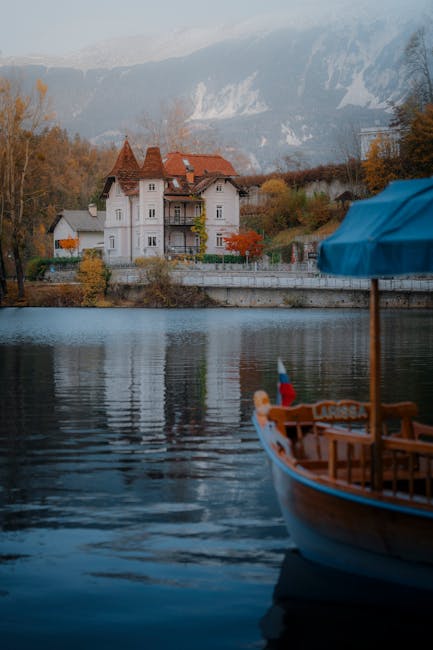
Conclusion — Between terroir, tradition and travel: the soul of Lake Garda limoncello
Handcrafted limoncello from Lake Garda is more than a drink; it’s a bridge between landscapes — citrus gardens, cliffs, lakeside villages — and human know-how, often family-based and handed down through generations. Visiting distilleries like Il Cedro in Limone sul Garda, Villa Limoneto in Sirmione, GardaLimo in Lazise or Microdistillerie Monti Garda in Malcesine lets you touch the variety of approaches: from the most traditional methods to contemporary experimentation, barrel aging and alpine herb recipes. Each place tells a story: where the lemons come from, how long they macerate, the type of sugar used, and the distiller’s personal touch.
Traveling for limoncello is also a great excuse to explore Lake Garda’s cultural riches: medieval castles like Sirmione’s Castello Scaligero, boat trips on crystal-clear waters, tastings of lake fish and local wines, and sunrise walks that make citrus colors glow. These micro-adventures are accessible: most distilleries welcome small groups and families, with tasting formats from free discovery to full hands-on workshops where you craft your own batch.
In practice, book ahead, appreciate the slow pace of artisanal processes and don’t hesitate to ask questions: distillers are usually proud to share their secrets, from peeling techniques to storage tips. Buy local and pack bottles securely; consider small gastronomic gifts like candied peel or limoncello biscuits — true taste mementos of your trip. Remember that the best window for an optimal experience runs from late May to early October, when gardens are at their most beautiful and terraces are inviting.
Whether you’re a fine-liqueur fan, a light-chasing photographer or a food-loving traveler, Lake Garda offers a palette of authentic limoncello experiences. By favoring artisanal distilleries you support sustainable practices, taste unique aromatic profiles and bring home a piece of a sun-soaked, fresh-water terroir. Cheers — alla salute — and buon viaggio: may your limoncello route around Lake Garda be full of discoveries, encounters and memorable flavors.