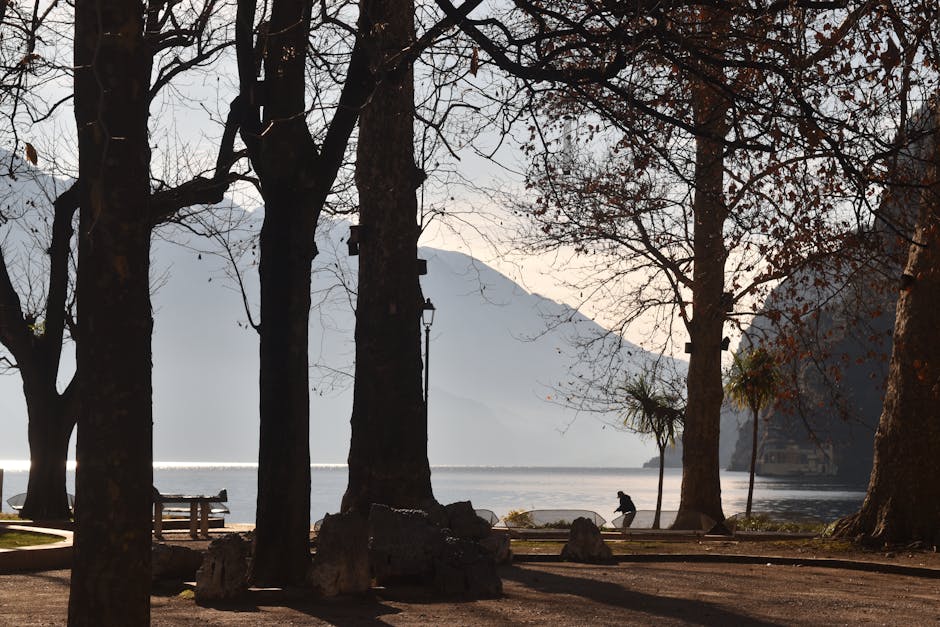






Introduction — Hidden oases around Lake Garda
Lake Garda, that vast alpine–Mediterranean stretch of water, immediately brings to mind lively shores, colorful harbors and historic villages packed in high season. Yet beyond the main tourist routes and busy lakeside promenades lies a treasure trove of small parks and gardens—often kept secret by locals—that offer peaceful retreats, secluded viewpoints and tiny landscapes perfect for wildlife-watching, reading or picnicking far from the bustle. This article is your practical, detailed guide to these “hidden oases” around Lake Garda: compact, accessible green spaces—sometimes little-known—that make perfect stopovers during a day of exploring.
I’ll point out concrete spots with exact addresses, opening hours and prices when relevant, plus immersive descriptions to help you pick the right place for what you want—contemplative stroll, shaded reading, birdwatching, sunrise photography or a quiet playground for kids. You’ll also find local tips: the best times to avoid foot traffic, public transport access, nearby shops to grab regional specialties, and seasonal advice (flowering springs, golden autumns, cool summer shade under pines).
This isn’t an exhaustive list; it favors quality and variety: a discreet historic garden, a wooded lookout, a wild cove where vegetation meets water, a little-known riverside park and a scenic forest path. Each spot was chosen for its intimate character, environmentally respectful management and its ability to deliver a moment of calm even when the lake’s main shores are crowded. Descriptions include practical details (opening hours, prices in euros, exact addresses), a sensory snapshot (sounds, scents, views) and suggestions for extending the visit (nearby cafés, easy walking routes). Whether you’re planning a stay at Lake Garda or already live nearby, the oases listed here will help you rediscover the region from a slower, more intimate, more local perspective.
To help you picture the spots, I’ve inserted descriptive image markers (English keywords and visual context) at the most photogenic places in the text: garden panoramas by the water, shaded alleys, little coves and mountain viewpoints. Pack comfortable shoes, a hat and maybe a notebook; these parks invite not just rest but also contemplation and writing. Now let’s go discover these micro-paradises around Lake Garda.
1) Parco delle Busatte-Tempesta (Torbole sul Garda) — panoramic trail and hidden coves
Address and access: Parco delle Busatte-Tempesta, Via delle Busatte, 38069 Torbole sul Garda (TN). Main access from the SP34 between Torbole and Nago; roadside parking and small parking areas at the trailhead. The trail is well signed and reachable on foot from Torbole town center in 20–30 minutes along the lakeshore.
Hours and cost: access is free. The trail is open year-round, but some stair sections can be slippery in winter; aim for spring, early-summer mornings or autumn for the best light and fewer people.
Immersive description: the “Busatte” form a rocky ridge plunging into the lake, with a sequence of metal steps and wooden platforms clinging to the cliffside. The site isn’t a fenced park so much as a network of paths and viewpoints alternating pine shade, sunlit exposures and rocky coves where you can swim in turquoise water. The panorama sweeps across the Torbole gulf to Riva del Garda and, on clear days, hints at the alpine ridgelines to the north.
What to do there: sunrise photography, an early-morning swim in sheltered little coves, a picnic on the rocks or reading under gorse and junipers. Parents will appreciate the flatter sections near the start, suitable for sturdy prams over a short distance, but watch out for stairs farther along.
Local tips: arrive before 9:00 in summer to beat the walkers; afternoons can be windy (great for sailing and windsurfing in Torbole), which makes swimming less comfortable. Wear closed shoes for rocky stretches, bring water and sun protection. For a tasty pit stop, try Bar Ristorante Wash in Torbole, Lungolago Zanardelli 20, 38069 Torbole sul Garda — quick coffee and antipasti from about €6–12.
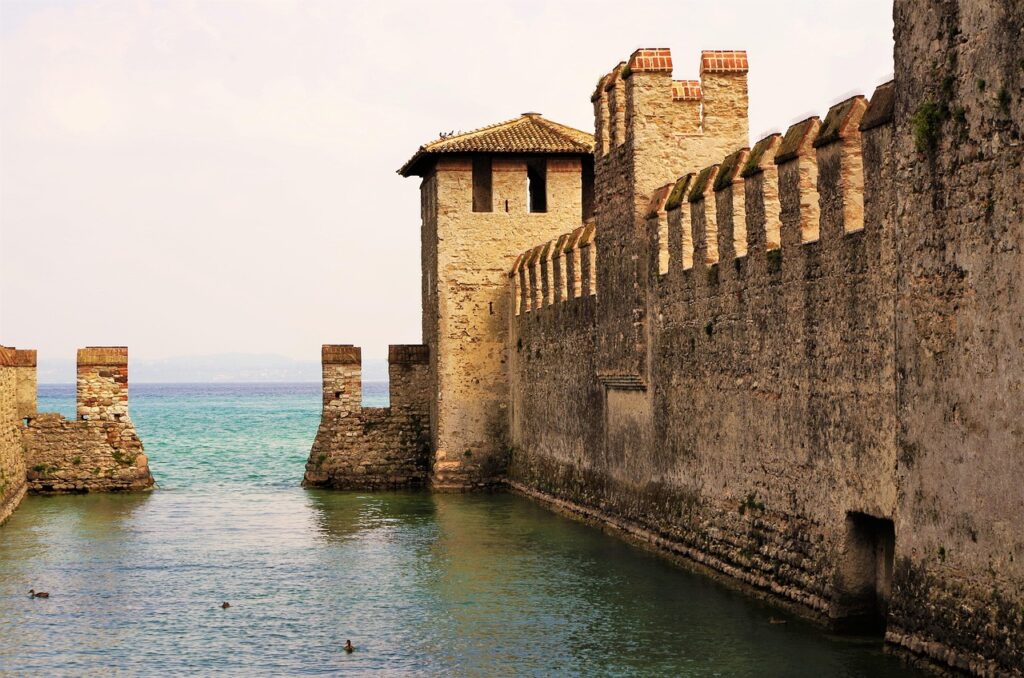
2) Parco della Rocca (Sirmione) — historic garden at the foot of the castle
Address and access: Parco della Rocca, Piazza Castello, 25019 Sirmione (BS). The park wraps around the Rocca Scaligera (the castle) in the heart of the Sirmione peninsula. Walk-in access from the main piazza and the quays; paid parking nearby (Parcheggio Centro Storico, Via Colombare 1, 25019 Sirmione).
Hours and cost: the park is freely accessible, open year-round during daylight hours. Entry to the castle (Rocca Scaligera) is paid: about €6.50 for adults (2024 indicative rate), usually open 9:00–19:00 in high season (check on site for exact seasonal times). The park itself remains free.
Immersive description: tucked at the base of the medieval walls, Parco della Rocca features well-kept lawns, stands of elm and plane trees and benches overlooking the tip of Sirmione where the lake views are striking. The air carries lacustrine breezes and fruit-tree scents: in the late afternoon the golden light ignites the castle tower and paints the water in warm copper tones.
What to do there: a contemplative stroll before climbing the castle, quiet reading away from the narrow streets, watching boats glide across the lake from the lower lawns, or a romantic sunset moment. It’s very family-friendly: lawns for play, public toilets close by and cafés/restaurants just steps away.
Local tips: to avoid crowds, visit early in the morning (or just before closing); noon is the busiest time. Souvenir shops on the main street sometimes stay open later, but the park is calmest between 8:00–10:00. For a cool treat after your walk, try Gelateria La Romana, Via Marconi 3, 25019 Sirmione — artisan gelato from about €3.50 for a small cup.
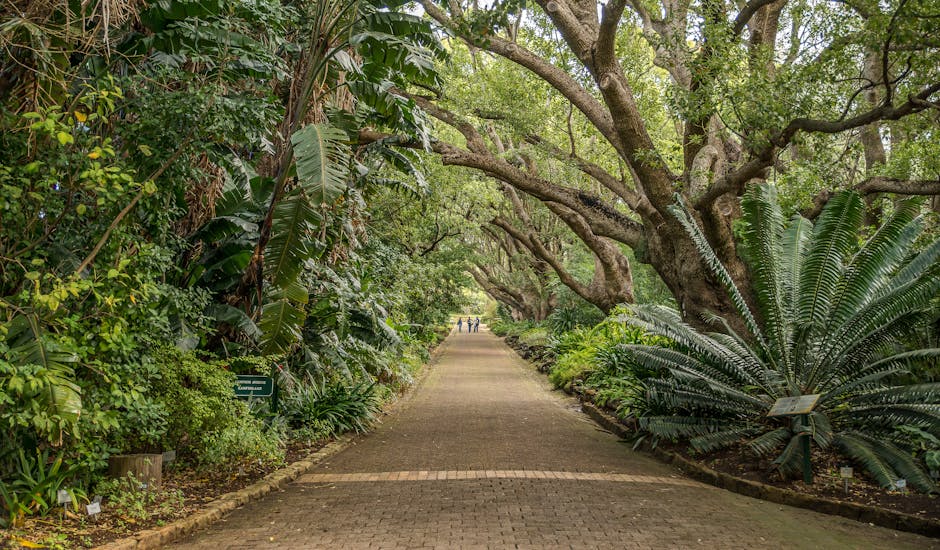
3) Giardino Botanico Fondazione Denis, Località Colombare (Desenzano) — a discreet botanical haven
Address and access: Giardino Botanico Fondazione Denis (also called the Desenzano Botanical Garden), Località Colombare, Via Nazionale 44, 25015 Desenzano del Garda (BS). Main entrance near the SS11, public parking nearby; reachable by local bus from Desenzano train station.
Hours and cost: hours vary by season; generally open Tuesday to Sunday, 9:00–17:00 off-season and until 19:00 in summer. Entrance fee approximately €5–€7 for adults (discounts for seniors and children). Check the official site or the municipality for exact opening times before you go.
Immersive description: this small botanical garden on Desenzano’s outskirts is a fragrant surprise: shady paths, a collection of Mediterranean plants, lavender beds, twisted olive trees and a small greenhouse housing rare specimens. Your senses come alive with the scent of aromatic herbs and busy bees; the layout feels like a study garden—ideal for slow walks and species note-taking.
What to do there: occasional workshops, botanical observation, macro photography of insects and quiet reading under cypress shade. Informational panels (in Italian and sometimes English) help identify species and explain the lake basin’s flora.
Local tips: pair your visit with lunch in central Desenzano—the Mercato Coperto offers local products for a picnic (€6–€12 for a selection of cheeses/cured meats/bread). Visit in spring for peak blooms and in autumn for warm leaf tones. Bring binoculars if you like birdwatching: the garden attracts several migratory species.
4) Parco Baia delle Sirene (Manerba del Garda) — a wild cove and nature reserve
Address and access: Parco Baia delle Sirene, Via Baia delle Sirene, 25080 Manerba del Garda (BS). Located on the lake’s southwest shore, access via the SP29; small public parking near the park entrance. Walk-in access from Manerba’s old town is possible in 20–30 minutes along coastal paths.
Hours and cost: the reserve is free to enter; some protected sections may be subject to seasonal restrictions for nesting and habitat protection (signage on site indicates the periods).
Immersive description: Baia delle Sirene is a relatively wild cove with low vegetation, rocky islets and small pebble beaches. The blend of salty scents and sea-grass aromas, the absence of noisy roads and the occasional presence of herons or coots make this a peaceful micro-ecosystem. The terrain is gently uneven, alternating dirt trails, rocky stretches and grassy clearings.
What to do there: birdwatching, an early-morning swim away from public beaches, sketching or painting the landscape, and coastal photography as the light shifts. Naturalists and families seeking a quieter beach appreciate the spot.
Local tips: respect marked-off areas, don’t light fires and take your rubbish with you. Best times are early morning and late afternoon; in July/August aim to arrive before 11:00 to find a peaceful nook. For a meal after your visit, Ristorante La Vecchia Dogana, Via Torre 5, 25080 Manerba del Garda serves local dishes with main courses from about €12.
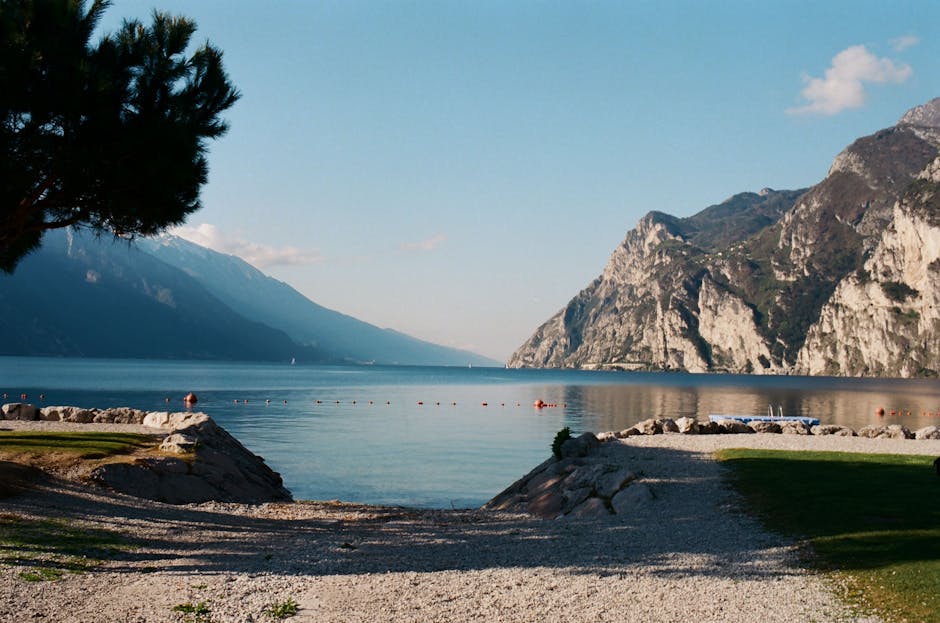
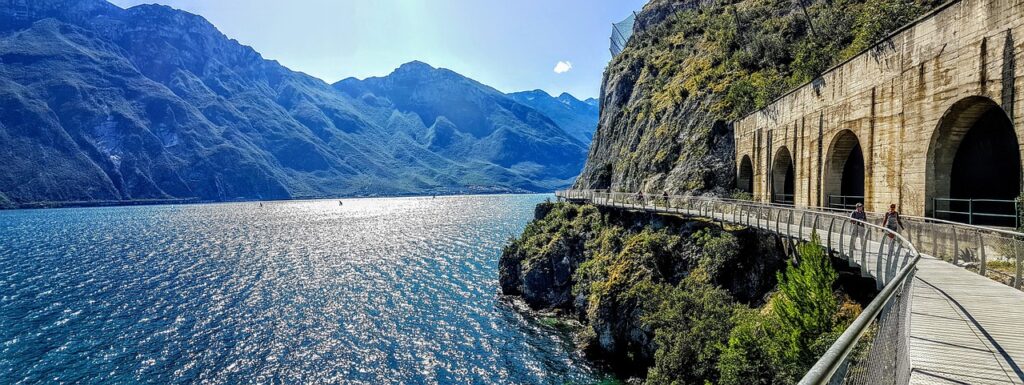
5) Sentiero del Ponale (hidden section) and small wooded alcoves near Riva del Garda
Address and access: Sentiero del Ponale (quiet upper section), possible starting points near Riva del Garda, 38066 Riva del Garda (TN). For the less-crowded stretch, begin from Pregasina (Strada Provinciale 9); parking in Pregasina and access to the trail from Via al Lago.
Hours and cost: the trail is freely accessible year-round. Some parts are busier (the Riva-facing section); the upper variant from Pregasina offers more secluded wooded alcoves. Free of charge.
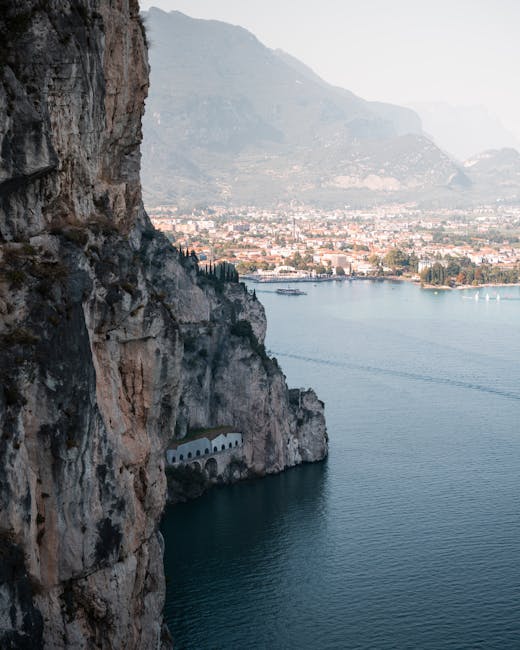
Immersive description: the Sentiero del Ponale is famous for its dramatic shelf above the lake, but if you take the upper variant toward Pregasina and pause in the small wooded nooks you’ll find isolated clearings, springs and viewpoints where only an early hiker passes by. The smell of damp wood, the chickadees’ songs and layered vistas make these sections true islands of serenity.
What to do there: easy hiking, botanical observation, panorama photography from a nearly private vantage point and discreet picnics under the conifers. The upper section is cooler in summer and offers a great escape from the heat on the lake’s edges.
Local tips: set out early (6:30–9:00) for ideal light and solitude. Wear hiking shoes and bring water and snacks. If you want to continue, descend to Riva del Garda afterwards and sample a local focaccia at Bar Gelateria Pasticceria Perini, Via Roma 41, 38066 Riva del Garda — coffees and pastries from about €2.50.
Practical cross-cutting tips for visiting these oases
- Best time: spring (April–June) and early October for blooms, mild temperatures and fewer tourists.
- Hours: favor early mornings (between 7:00 and 9:30) or late afternoons (after 17:00) for soft light and quiet.
- Gear: sturdy shoes, water, a hat, sunscreen and a small bag to carry out your trash. Binoculars are handy for birdwatching.
- Transport: many small oases are reachable by train/bus combinations or by bike from lakeside towns; use the indicated public car parks to help preserve the trails.
- Behaviour: follow signs, don’t pick protected plants and avoid nesting areas during spring.
Conclusion — Finding your quiet corner at Lake Garda
Lake Garda is not just a destination for water sports or a string of tourist villages: it hides a network of small pockets of nature—parks, coves, trails and gardens—where life slows and the senses refocus. The places described here, from Parco delle Busatte-Tempesta in Torbole to Parco della Rocca in Sirmione, the Desenzano Botanical Garden, Baia delle Sirene in Manerba and the quieter variants of the Sentiero del Ponale, offer varied but complementary experiences: rocky viewpoints for contemplation, botanic gardens for learning, wild coves for discreet swimming and forest paths for meditative walks.
Visiting these oases takes a bit of logistical care—check seasonal hours, plan transport and respect nature—but the reward is consistent: fewer crowds, more privacy and a chance to catch the lake’s true atmosphere as locals experience it. For a multi-day stay I recommend alternating big well-known sites (for history and architecture) with these small green pauses: a morning in a botanical garden, an afternoon in a quiet cove and an evening by the lake to watch the sunset away from the crowds.
Finally, remember that discovering these spots is a slow process: take time to study a tree, listen to the birdsong, smell the pine sap and let your gaze drift across the lake’s ever-changing surface. These micro-oases are treasures of serenity—they only ask that you slow down enough to enjoy them. Safe travels, and may your visit to Lake Garda be rich in restorative pauses and lovely encounters with nature.