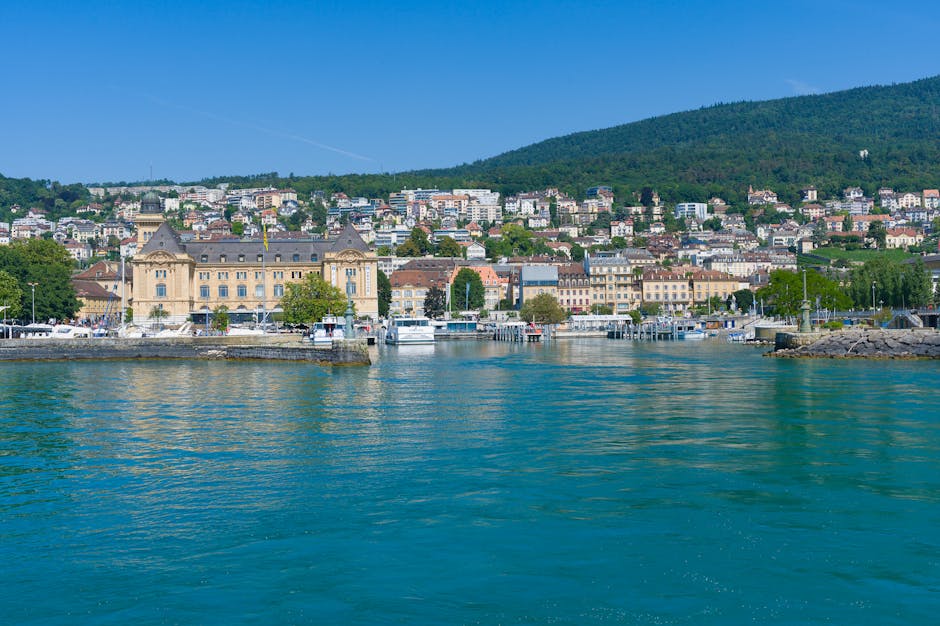






INTRODUCTION — Polenta and smoked fish on the shores of Lake Garda
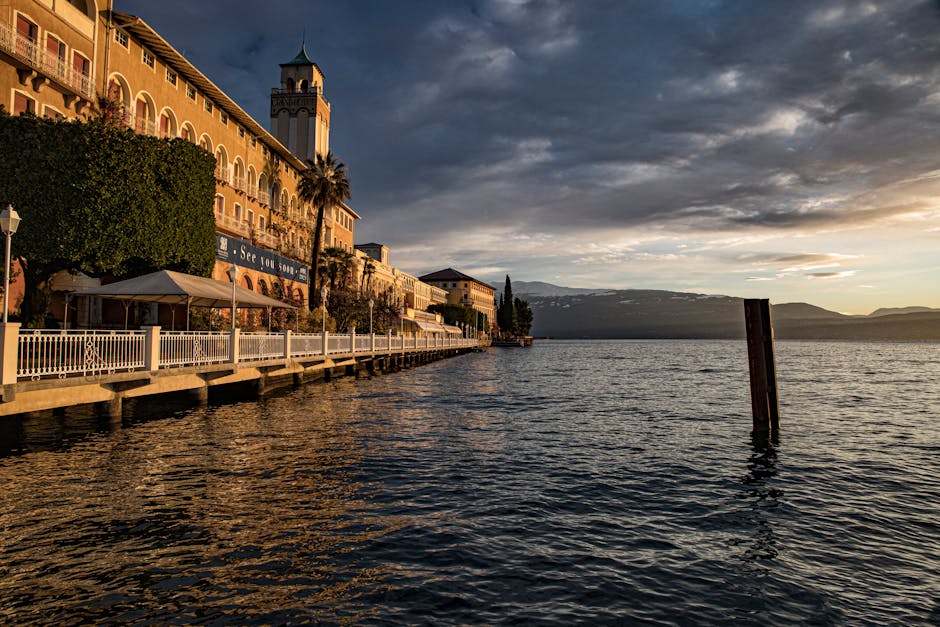
In the heart of Northern Italy, Lake Garda (Lago di Garda) unfurls its shimmering shores between mountains and olive groves. Here, popular cooking springs from the meeting of land and water: polenta, the quintessential peasant staple, and the lake’s fish prepared in many ways, including smoking — a long-used method to preserve these aquatic treasures. The pairing of creamy polenta and smoked fish creates a deep, balanced flavor — the sweetness and dense texture of cornmeal against the salty, sometimes sharp note of smoked fish. It’s a match that tells the story of local fishermen, shepherds and cooks, and one that you’ll rediscover today in family-run trattorie, at morning markets and in smokehouses thoughtfully set along the lakeshore.
In this piece I’ll take you on a sensory and practical journey: first an overview of the history and regional variations of polenta and fish smoking around Lake Garda; then a collection of traditional recipes to try at home — with local twists — and finally a precise selection of the best places to buy ingredients and ready-made dishes, with exact addresses, opening hours, indicative prices and practical tips. You’ll also find recommendations for tasting these dishes on site and chefs’ tips for adapting smoking techniques at home if you have a small smoker or even just a barbecue.
Lake Garda is lined with towns that each have a distinct character: Riva del Garda to the north, more alpine; Salò and Desenzano del Garda to the west and south, with a Mediterranean vibe; Lazise and Peschiera del Garda, which invite historical strolls and markets. Each shore offers its own fish — lavarello (lake whitefish), persico (perch), tench and eel — and its own ways of preparing and smoking them. Polenta itself varies: polenta taragna (blended with buckwheat flour) in the mountain areas, and a finer, velvety polenta gialla on the lakeside tables. Understanding these nuances opens the door to the richness of Garda cuisine.
This article is aimed equally at food-loving travelers and curious cooks: I give detailed recipes, list artisans and restaurants to try around the lake (with addresses and hours), and share practical tips for buying quality cornmeal, spotting a well-made smoked fish, or organizing a lakeside meal at sunset. Get ready to inhale the gentle smoke of beech wood, to watch hot polenta rise above the pot, and to bite into a slice of smoked fish that tells the story of Lake Garda. Now, let’s look at the traditions, the recipes and the best spots to savor polenta and smoked fish.
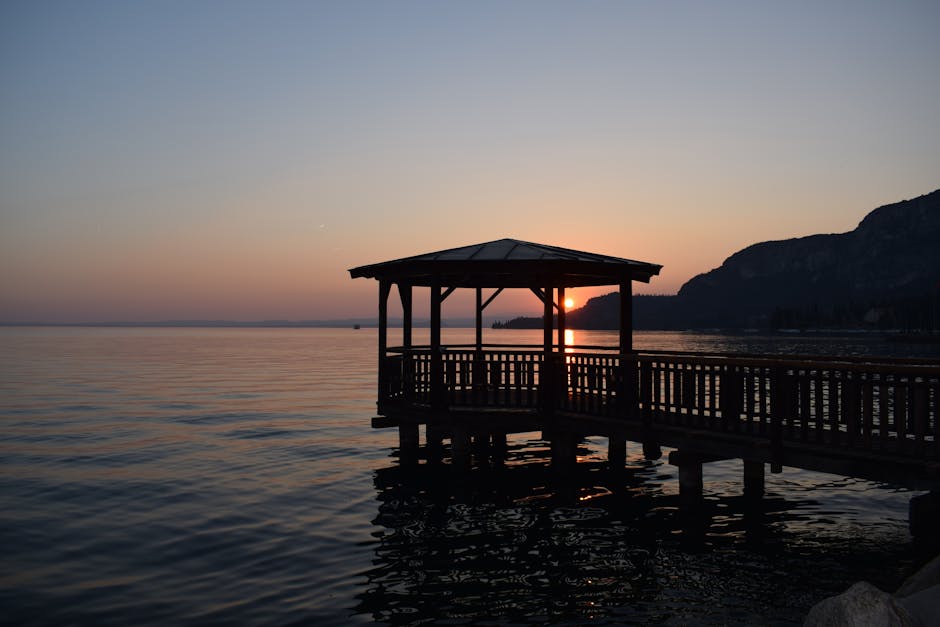
Polenta and Lake Garda’s culinary identity — history and local variations
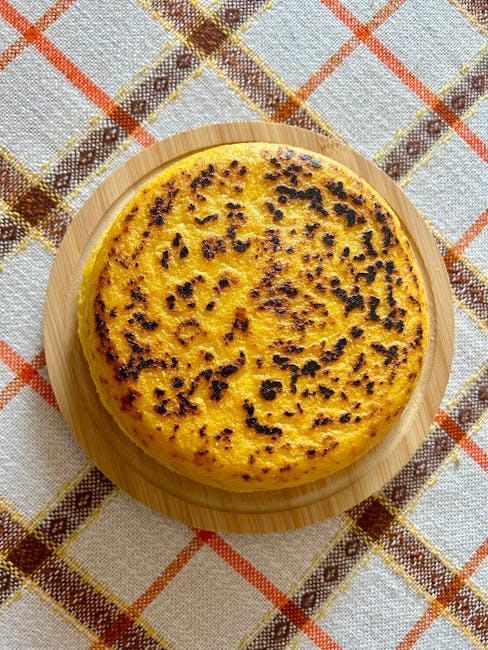
Long before it was a simple side dish, polenta was for centuries the staple food of Northern Italy’s rural populations. On the shores of Lake Garda, where fertile fields and vegetable gardens meet limestone slopes, polenta established itself in many forms. Traditionally made from cornmeal (introduced to Europe after the 15th century), here it varies by texture and by local additions: silky polenta gialla to accompany smoked fish, polenta taragna — enriched with buckwheat flour and local cheeses — in the higher Monte Baldo areas, and polenta abbrustolita (grilled) served in crispy slices.
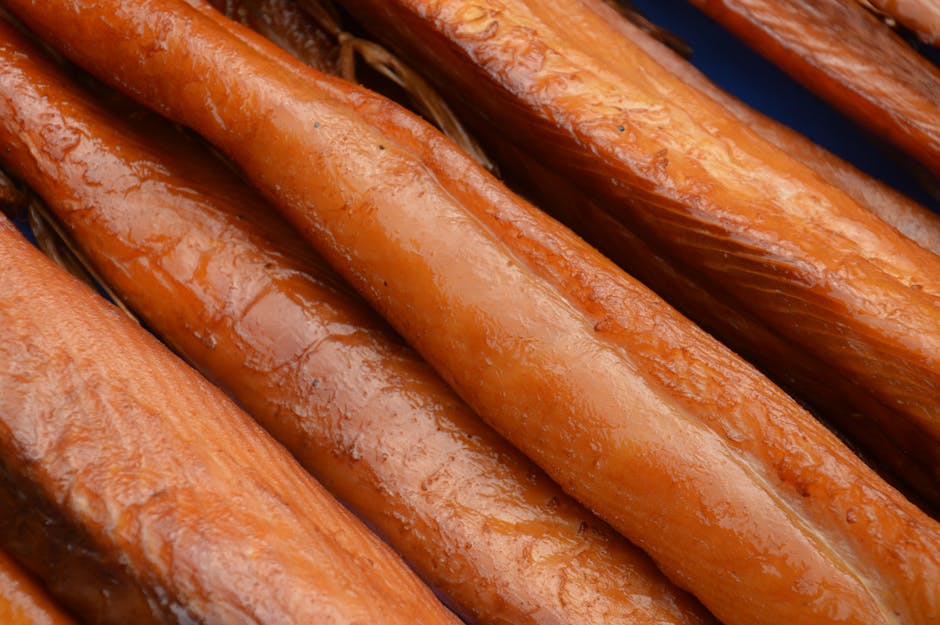
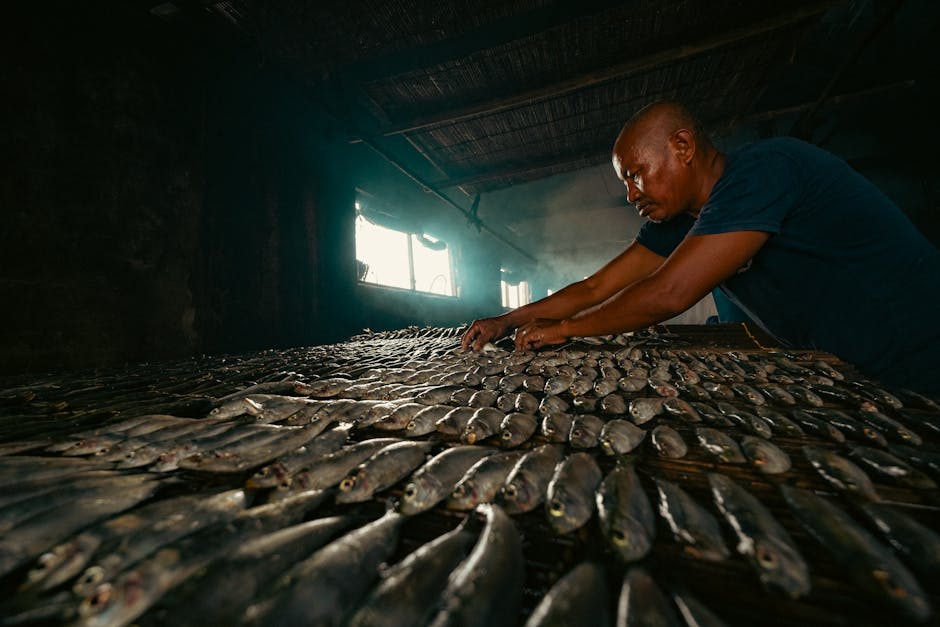
As for fish, Lake Garda offers a beloved local palette: lavarello (Coregonus lavaretus), commonly called whitefish in English; persico reale (Perca fluviatilis) — the perch; the tinca (tench); and sometimes eel in older traditions. Smoking spread both as a preservation method and as a way to express flavor: fish is salted, sometimes marinated, then exposed to gentle smoke from local woods — beech, poplar or fruitwood residues — which infuses delicate aromas into flesh and skin. Techniques vary: cold smoking (longer, firmer texture), hot smoking (shorter, cooking and smoking at once) or hybrid methods.
How polenta is served often depends on the season and the timing of the meal. In winter it’s served in generous portions, topped with stews or fish in sauce; in spring and summer creamy polenta becomes a base for lighter plates, where smoked lavarello fillets add a refined saline note. Locals also use regional cheeses (Asiago, Monte Veronese) to bind polenta and create velvety toppings.
Local practical tip: when buying polenta flour around the lake, favor Polenta Bramata (medium coarseness) for a balanced texture. Historic mills, like the ones still operating in Torbole, will sometimes grind on request for a more rustic product. For smoked fish, check the origin (local catch) and the smoking process: cold-smoking at low temperature will reveal more subtle aromatic layers, while hot-smoking delivers immediate flavor and pairs well with a younger polenta.
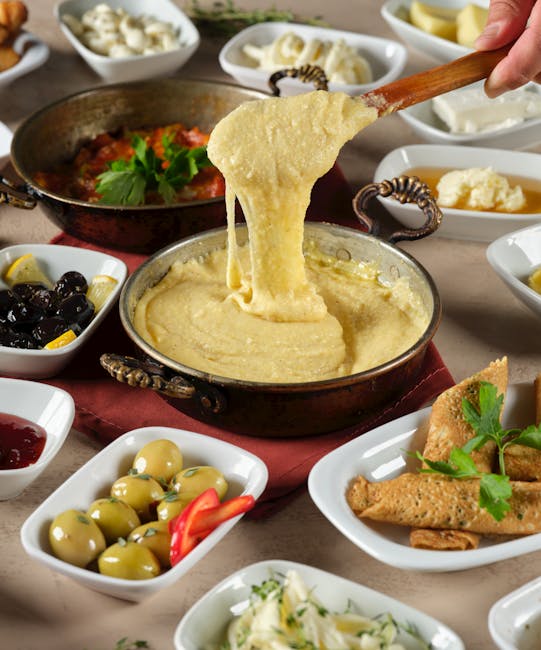
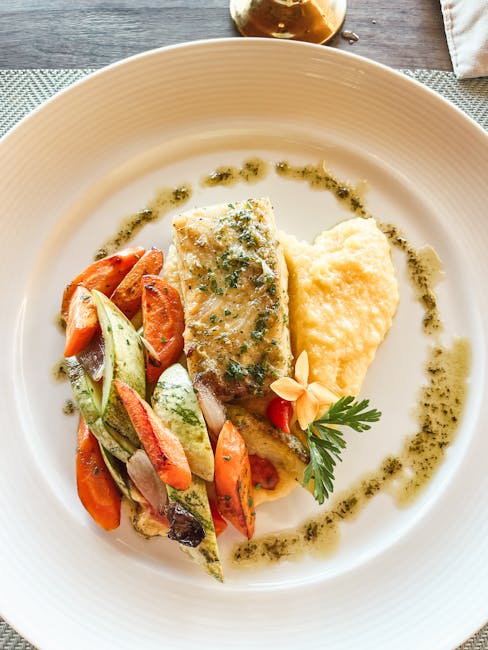
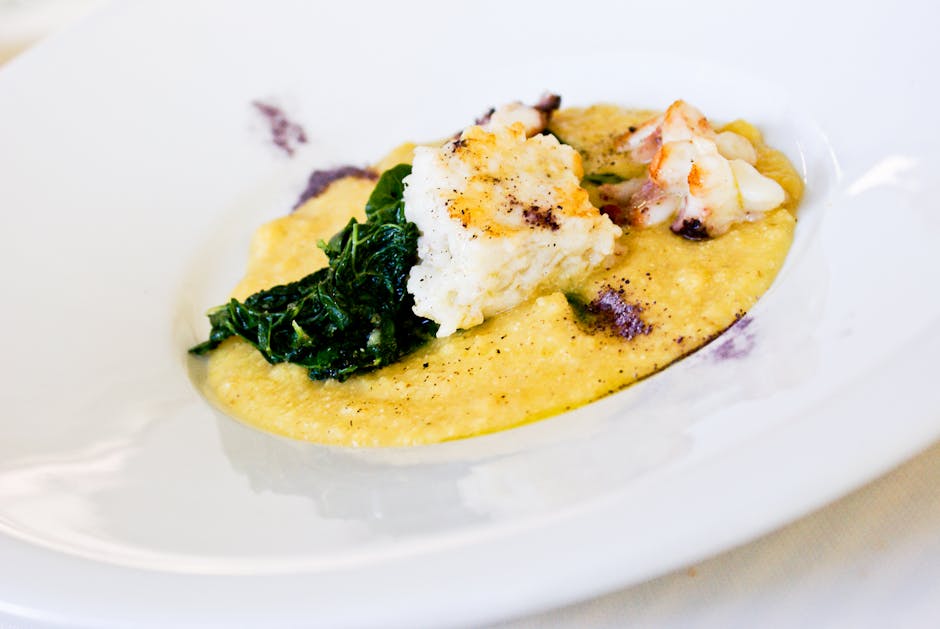
Traditional recipe 1: Creamy polenta with smoked lavarello (Polenta e Lavarello Affumicato)
Here’s an emblematic recipe to try after a morning market by the lake. It highlights the delicate nature of smoked lavarello and the softness of polenta. Serves 4.
Ingredients
- 300 g polenta bramata (coarse yellow cornmeal)
- 1.2 L water
- 10 g salt
- 30 g butter
- 80 g grated Parmigiano Reggiano (or Monte Veronese for a local twist)
- 300 g smoked lavarello fillets, thinly sliced
- A splash of organic lemon juice
- Freshly ground black pepper
- Fresh dill sprigs for garnish
Preparation — traditional method
1) Bring the water to a boil in a large pot with the salt. Sprinkle the polenta in slowly while whisking to avoid lumps. Lower the heat and simmer gently for 35–40 minutes, stirring regularly with a wooden spatula. For a quicker option, use instant polenta (5–10 minutes cooking), but the texture will be less rustic.
2) Off the heat, stir in the butter and grated Parmigiano Reggiano until creamy. Adjust the consistency with a little hot water if needed.
3) Spoon the hot polenta into a shallow dish. Lay the warm smoked lavarello slices on top — you can flash them 1 minute in a hot pan without oil to wake up the aromas — drizzle with a little lemon juice, crack some pepper and scatter chopped dill.
4) Serve immediately with a glass of Lugana DOC (local white) or a Garda Classico Bianco, and rustic bread. Indicative cost: about €12–18 for 4 people (depending on the price of smoked lavarello, €150–250/kg at good local fishmongers).
Chef’s tip: to boost smoky notes without firing up a smoker, briefly infuse the lavarello in warm olive oil scented with orange zest and a crushed garlic clove, then remove the garlic before serving.
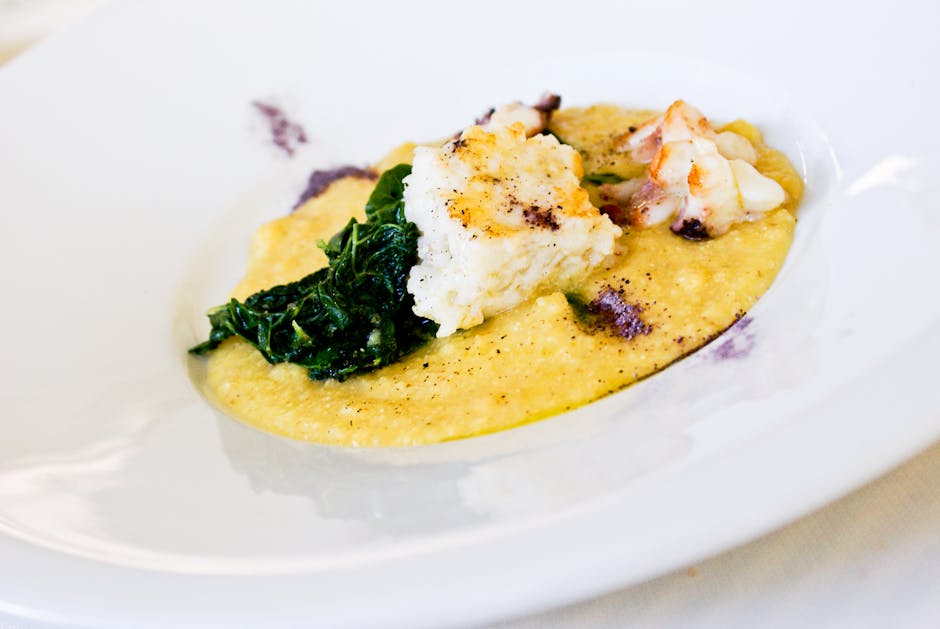
Traditional recipe 2: Grilled polenta and smoked perch (persico) in a warm salad
This second recipe emphasizes a summer presentation: polenta cooked, cooled, cut into slices and grilled, paired with smoked perch served warm in a salad. Ideal for a terrace lunch or a sunset picnic.
Ingredients
- 300 g polenta bramata
- 1.2 L water + 1 tsp salt
- 2 tbsp extra virgin olive oil
- 200 g smoked perch fillets (persico affumicato)
- A handful of arugula
- 10 cherry tomatoes, halved
- 1 shallot, finely chopped
- 2 tbsp white wine vinegar
- Salt, pepper, lemon zest
Preparation
1) Make the polenta as above (30–40 minutes cooking), lightly salted. Spread it into an oiled rectangular dish 2 cm thick, let it cool and set for at least 2 hours in the fridge.
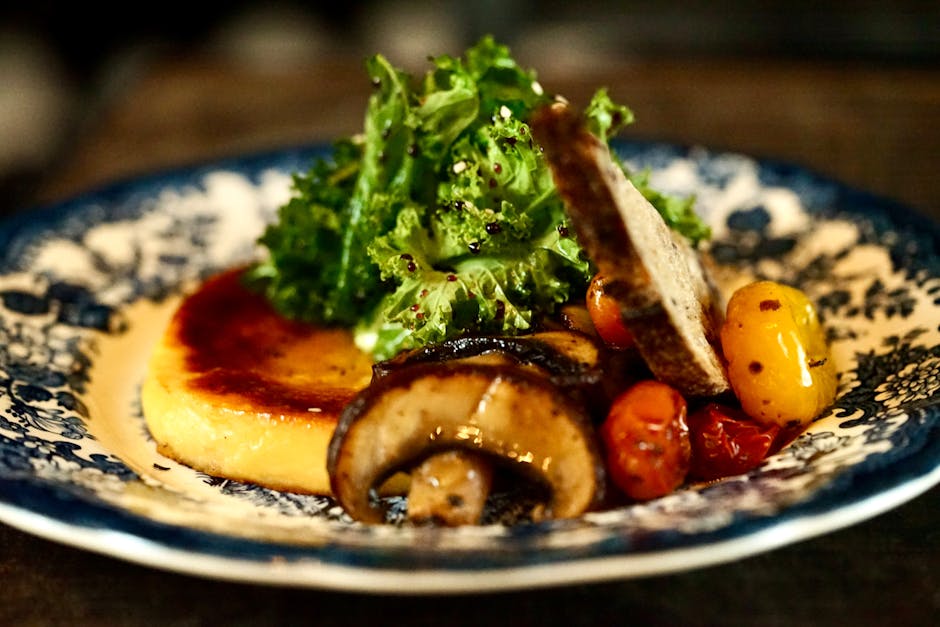
2) Unmold the polenta and cut into rectangles or rounds. Brush with olive oil and grill in a grill-pan or on the barbecue 3 minutes per side until golden and slightly crisp.
3) Toss arugula, cherry tomatoes, shallot and white wine vinegar. Arrange the warm polenta slices on plates, top with pieces of warm smoked perch (flash for 30 seconds in a hot pan if needed), season, zest a little lemon over everything and serve right away.
Local tip: smoked perch is often sold in thin slices. In Desenzano del Garda some fishmongers offer whole pieces smoked on demand. Indicative price: the full preparation costs roughly €10–18 per person depending on fish quality (€30–50/kg for prepared smoked perch).
Where to buy smoked fish, polenta and ingredients around Lake Garda — markets, fishmongers and local smokehouses
To make these recipes authentically, there’s no substitute for stopping at the right suppliers around Lake Garda. Here’s a curated list of places — markets, fishmongers and producers — where you’ll find quality polenta, local fish and curing/smoking products. I include addresses, opening hours, reference prices and buying tips.
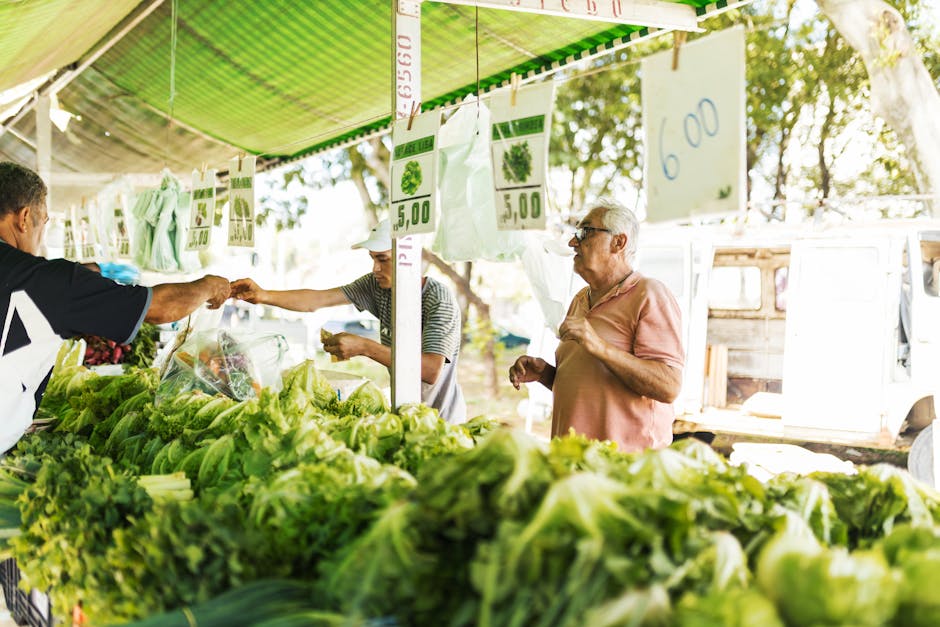
1. Mercato Comunale di Riva del Garda — Piazza III Novembre, 38066 Riva del Garda (TN)
Hours: food market on Tuesdays and Saturdays 08:00–13:00. Permanent market hall for some stalls: 08:00–19:00 (closing times vary by season). Products: local polenta flour, vegetables, cheeses (Monte Veronese), small smoked fish by artisans. Indicative prices: polenta flour 1 kg €2.50–4.00; smoked fillets sold by slice €20–40/kg depending on species. Tip: arrive early (08:00–09:30) for the best picks and chat with local fishers about lavarello seasonality.
2. Pescheria “Il Pescatore” — Lungolago Zanardelli 12, 25087 Salò (BS)
Hours: 07:30–13:00 and 15:30–19:00 (closed Monday). Specialty: hot-smoked perch on order, fresh lavarello fillets, processed products. Prices: ready-to-eat smoked perch €40–55/kg; fresh fillets €15–25/kg. Tip: ask for the smoking date and method (hot or cold). This fishmonger also offers cooking advice and small takeaway verrines.
3. Affumicatoria del Garda — Via Lungolago Zanardelli 47, 25083 Gardone Riviera (BS)
Hours: shop 09:00–18:00 daily; smoking workshops by reservation (2h): 10:00 and 16:00 (workshop fee €30 per person, equipment and tasting included). Specialties: artisanal smoking of lavarello, localized salmon, beech wood and smoked peaches. Shop prices: smoked fish portions €6–12 depending on size. Tip: book the workshop in the low season for an educational session on smoker settings and wood types.
4. Mercato Coperto di Desenzano del Garda — Via San Martino della Battaglia 34, 25015 Desenzano del Garda (BS)
Hours: covered hall 08:00–13:00 and 16:00–19:00 (closed Sunday afternoon). You’ll find fishmongers, butchers and millers supplying fresh polenta flour. Prices: flour 1 kg €3–5; smoked fish in small tins €4–10 each. Tip: Saturday mornings are lively — try local “polenta e pesce” sandwiches sold on site.
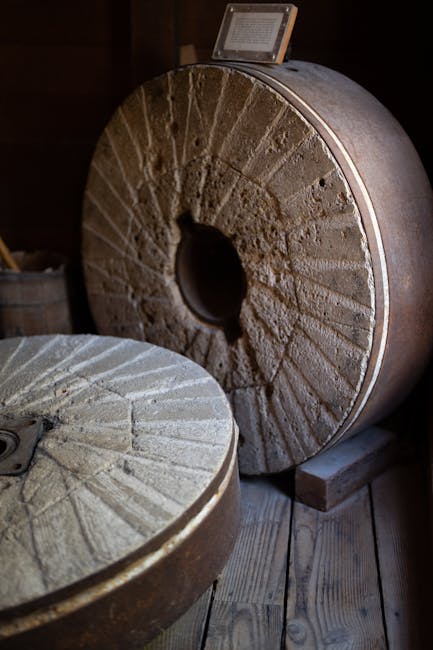
5. Molino Zanetti — Via Molino 3, 25010 Torri del Benaco (VR)
Hours: shop 08:00–12:30 and 15:00–18:30 (closed Monday). This artisanal mill offers stone-ground cornmeal, polenta bramata and instant polenta. Prices: polenta bramata 1 kg €3.50–6.00 (depending on grind), 5 kg bags €12–20. Tip: ask about the granulometry (coarser for slow cooking, finer for a silkier texture).
General buying tips: prioritize fish caught in Lake Garda (look for “pesca locale”), read labels for the smoking method, and avoid industrially smoked products if you want authentic flavors. If possible, buy fish the same day you plan to eat it, or consume smoked pieces within 3–5 days to enjoy the ideal balance of smoke and freshness. Prices vary by season; in high tourist season (July–August) expect a 10–20% increase.
Restaurants and must-visit spots to taste polenta and smoked fish on Lake Garda
For on-site culinary experiences, here’s a selection of reputable restaurants and trattorie that put polenta and smoked fish in the spotlight. Each entry includes practical info: full address, opening hours, average price per person and dish recommendations.
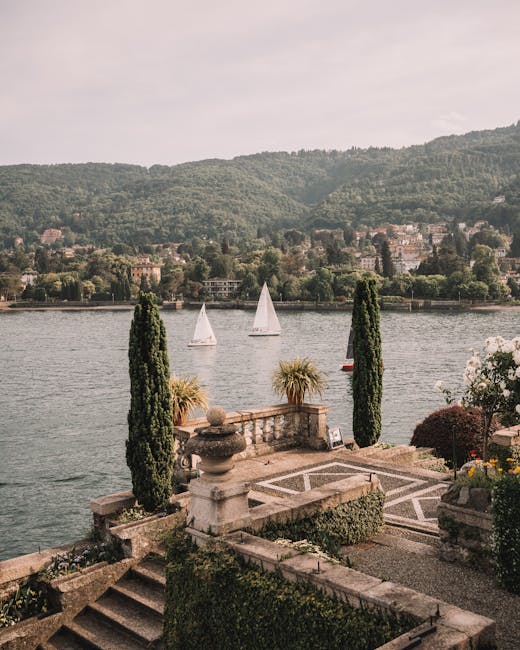
Ristorante La Ripa — Lungolago Cesare Battisti 4, 25010 Lazise (VR)
Hours: 12:00–14:30, 18:30–22:30 (daily). Average price: €30–45 per person. Specialty: polenta with smoked lavarello fillets, lake fish risotto. Tip: request a terrace table facing the lake at sunset. Reservations recommended on summer weekends.
Trattoria Al Porto — Via Lungolago 1, 37019 Peschiera del Garda (VR)
Hours: 11:30–14:30 and 18:30–23:00 (closed Tuesday). Average price: €25–40 per person. Specialty: grilled perch and smoked fish platters served with grilled polenta. Tip: try the daily fish special and ask the sommelier for a Lugana pairing.
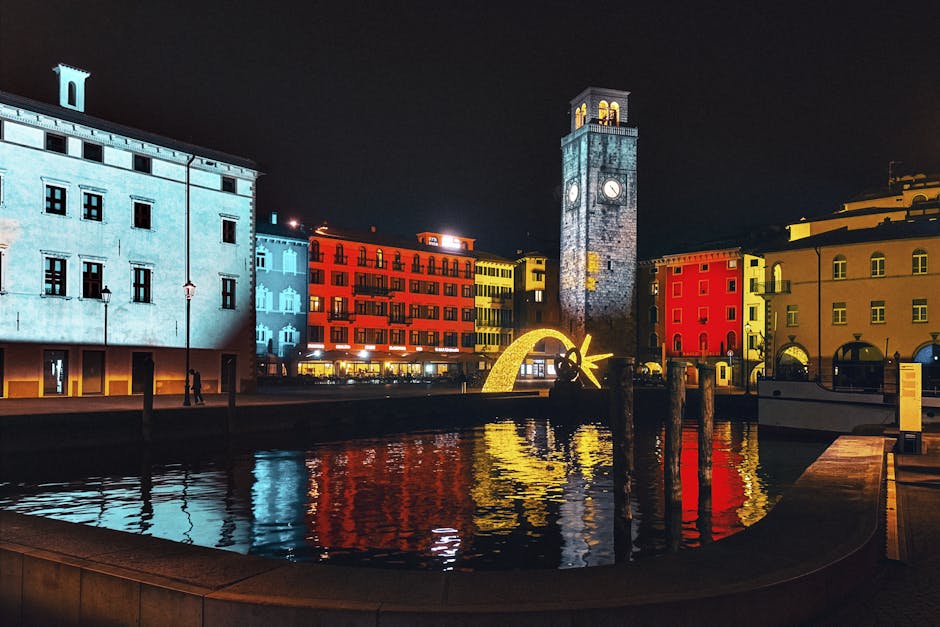
Osteria dell’Angelo — Piazza Garibaldi 8, 38066 Riva del Garda (TN)
Hours: 12:00–14:00 and 19:00–22:30 (closed Monday evening). Average price: €28–50 per person. Specialty: polenta taragna with cheese and an assortment of smoked fish as antipasto. Tip: perfect after a hike up Monte Brione; cozy tables and a very local atmosphere.
Enoteca del Garda — Via G. Matteotti 27, 25083 Gardone Riviera (BS)
Hours: 10:00–22:00 (closing times vary Sunday evening). Prices: glass of Lugana €4–8, tasting plate of smoked fish and polenta €12–18. Specialty: wine pairings with smoked fish and tasting boards. Tip: ask for pairing advice to elevate the smoky notes.
Restaurant-picking tip: check whether the menu states the fish’s origin (local catch) and the preparation method (house-smoked). A good sign is a visible small smoker or the mention of “affumicato artigianale” on the menu. Prices fluctuate with the season; outside peak months you’ll often find fixed menus (menu del giorno) €18–25 including starter, main and coffee.
Practical tips for cooking and hosting a tasting on Lake Garda
Organizing a meal around polenta and smoked fish on Lake Garda requires some practical considerations: heat management, fish preservation, wine choices and table presentation. Here are concrete tips for a successful experience.
- Timing and prep: polenta takes time to cook. If hosting, make the polenta ahead and keep it creamy covered. For grilled polenta, prepare it the day before and grill at the last minute.
- Storing smoked fish: keep fillets wrapped or in an airtight container in the fridge (0–4 °C). Eat within 3–5 days. Leftovers last 2–3 weeks if vacuum-sealed and well refrigerated.
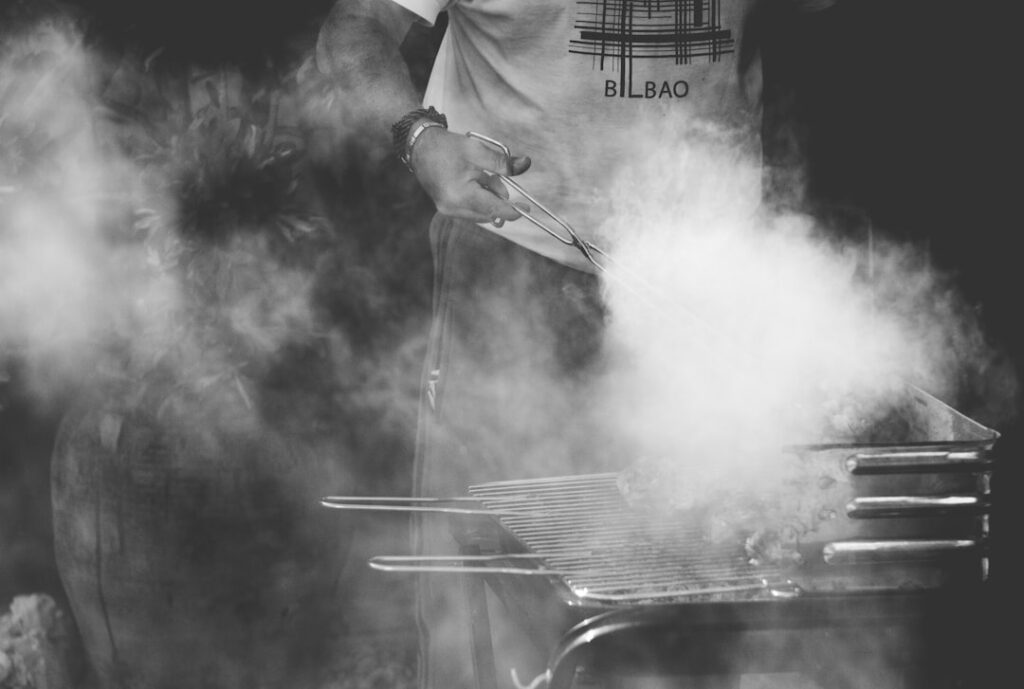
- Wood for smoking: choose beech, fruitwood (peach, apple) or oak for a mild, aromatic flavor. Avoid resinous woods that impart bitter notes. For home smoking, use a small electric smoker or a smoke box for your barbecue.
- Food and wine pairings: local white wines like Lugana DOC or a Garda Bianco are excellent partners. For cheesy polenta, a fuller white (local Chardonnay) or a light red (Valpolicella Classico) can work depending on the accompaniment.
- Service and presentation: serve polenta in warmed dishes to maintain texture, add fresh herbs (dill, parsley), citrus zests and extra-virgin Garda olive oil (aromatic and grassy).
- Markets and seasons: visit local markets early in the morning to choose fish and vegetables; the tourist high season (July–August) brings abundance but slightly higher prices.
CONCLUSION — Why you should try these recipes at Lake Garda
Polenta and smoked fish form a duo that tells the story of Lake Garda: farming lands, mills, sun-drenched vineyards and fishermen hauling nets at dawn. Trying these recipes, whether at home after a visit to a local market or in a trattoria by the water, helps you understand the intimate relationship between product, place and know-how. Smoking, far from being just a preservation technique, is a culinary craft passed from artisan to artisan, able to add a unique aromatic signature to delicate fish like lavarello and perch.
While there, take time to explore the markets of Riva del Garda, Desenzano del Garda or Lazise to smell, touch and talk: millers will explain the ideal granulometry for polenta, fishmongers will share the smoking date and method, and small olive oil producers will recommend the best oil to finish your plates. The recommended restaurants above offer hands-on experiences, often with remarkable views — sunset terraces, historic halls and lakeside promenades — turning each bite into a memorable moment.
Finally, Lake Garda’s cuisine is accessible and generous: the recipes here require few ingredients but plenty of attention and time. They reward patience with rich textures and deep aromas. Whether you’re a hiker returning from the Sentiero del Ponale, a botanical-garden fan at the Giardino Botanico Hruska in Gardone Riviera, or a holidaymaker seeking a simple, authentic meal, polenta and smoked fish are a must. Take these recipes home, adapt them to your taste, but above all let Lake Garda’s cooking tell you its stories — with every bite you’ll taste the lake, the smoked wood and the hands that have prepared these dishes for generations.