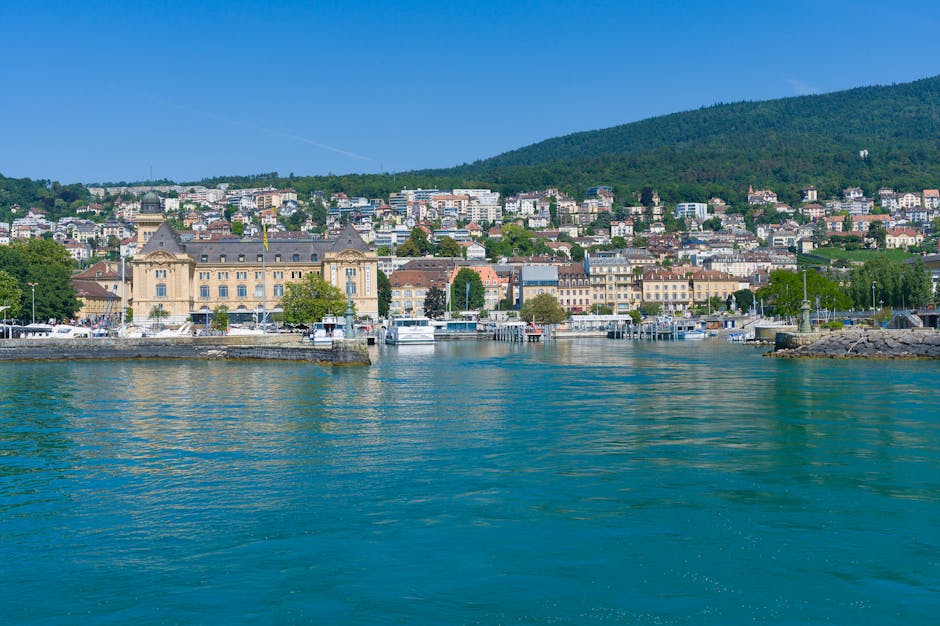






Introduction — Taste true Garda cuisine at the organic farmstays around Lake Garda
Lake Garda (Lago di Garda), framed by gently rolling hills dotted with olive groves and vineyards, is more than a beach destination: it’s a living agricultural landscape where organic farming reconnects with its roots. The organic farmstays around the lake offer a full-bodied experience — you sleep there, help work the land, and above all you taste authentic farm-to-table cooking. These farm-hotels, often family-run, highlight local produce: extra-virgin olive oil, citronella (the lemons of Gargnano), indigenous wines (Garda Classico, Lugana), shepherd cheeses, homemade cured meats and seasonal vegetables. Travelers who pick an organic farmstay on Lake Garda can expect a slow, sensory stay, far from tourist buffets, where each dish tells the story of a season and a terroir.
In this introduction we lay out what sets an organic farmstay apart from conventional accommodation: certified organic produce, cooking guided by natural cycles, and a respect for the local economy. You’ll learn where to find these farms, how meals are served, what prices to expect, and how to make the most of your visit — cooking classes, orchard tours, participatory harvests, bike rides through olive groves. The guide lists precise addresses (full name, exact address), indicative prices in euros, opening times, lively descriptions of the places and practical tips written by a travel writer specialized in food travel.
What you’re reading here is designed as a complete, hands-on guide. It’s aimed at food lovers, families, couples seeking a quiet weekend, and responsible travelers wanting to minimize their ecological footprint. We cover farmstays located on the eastern shores like Bardolino and Lazise, as well as on the western shore toward Sirmione and Desenzano del Garda, not forgetting the more mountainous northern area near Riva del Garda and Torbole, known for its greenery and artisanal dairy production. Each listing includes concrete details: average price for a night, the cost of a farm dinner, visiting hours and host-table schedules, and notes on accessibility (car, bike, public transport).
Keep in mind that the farmstay experience is seasonal: April to October is high season for agricultural activities, while winter brings gentler rates and a cozier atmosphere. This guide will also help you choose the best time for your expectations (olive harvest, almond blossom, grape harvest). Get ready to inhale the scent of Mediterranean herbs, hear the breeze through cypresses and taste dishes where simplicity meets deep flavor — welcome to true Garda cooking, served to the rhythm of Lake Garda’s organic farms.
Why choose an organic farmstay on Lake Garda
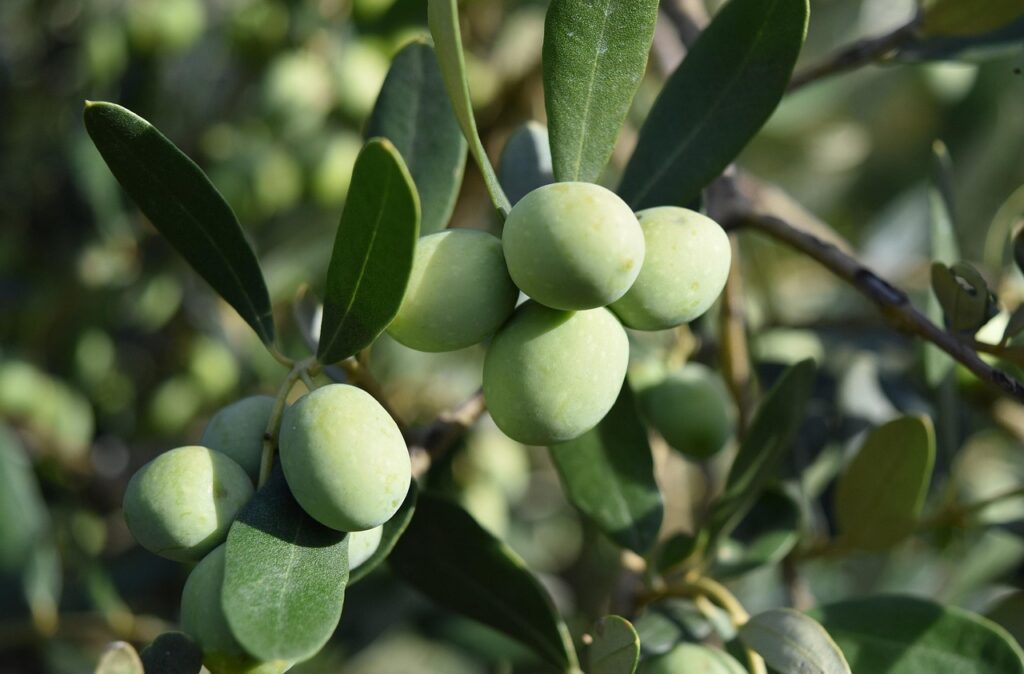
Choosing an organic farmstay to stay near Lake Garda means immersing yourself in the landscape and local food culture. Unlike tourist restaurants that once adapted recipes to suit the masses, organic farmstays offer seasonal menus made with ingredients grown on-site or sourced from nearby certified farms. The result: a more authentic Garda cuisine, where the local olive, the lemons of the Brescian coast, locally milled durum wheat and regional honey define the plates.
Organic certification (often labeled « Biologico » in Italy) guarantees cultivation methods without synthetic pesticides or artificial fertilizers. Around Lake Garda, several farmstays proudly display their label or their organic practices, and some are also registered as « Agriturismo » with the regional agricultural chambers (Coldiretti/Regione Lombardia/Regione Veneto depending on the shore). In practice, an organic stay means:
- Garden-to-table produce: heirloom tomatoes, tender courgettes, grilled eggplant, aromatic herbs (basil, rosemary, sage);
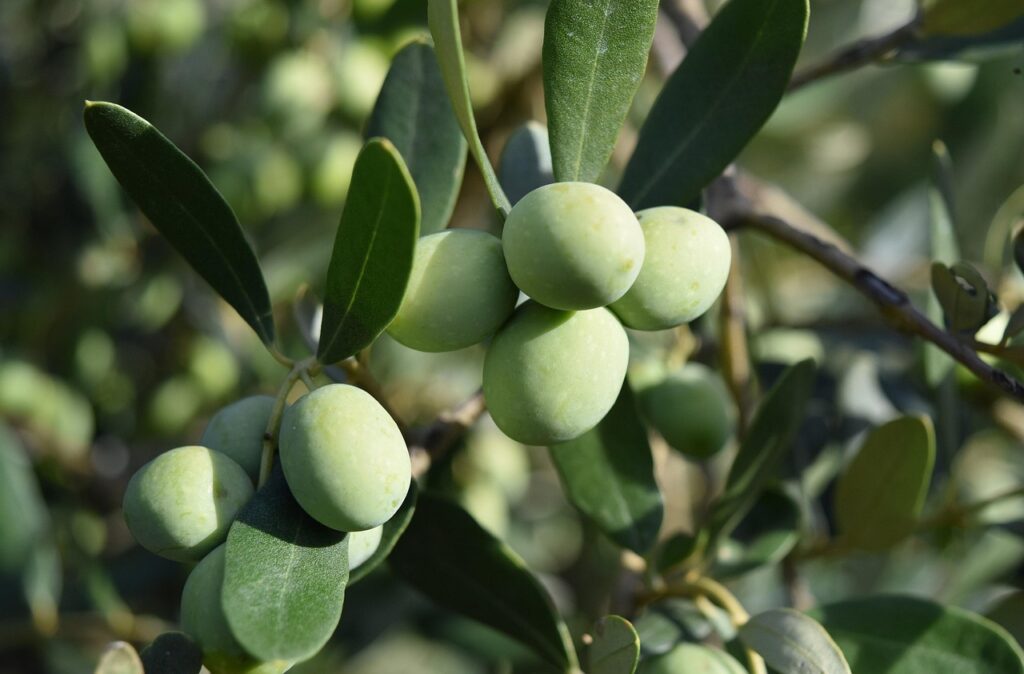
- Local extra-virgin olive oil: cold-pressed at nearby mills, sold at the farm;
- Nearby wines: Garda Classico, Bardolino, Lugana served by the carafe or bottle directly at the farm;
- Workshops and tours: olive picking, tapenade-making, classes for fresh pasta or a lemon risotto from Sirmione;
- Responsible comfort: simple but well-kept rooms, often heated with wood, with small sustainable gestures encouraged (sorting waste, reusing rainwater for irrigation).
Practically speaking, organic farmstays often offer good value: a double room can range from €60 to €140 depending on season and standard; a full farm dinner usually costs between €20 and €45 per person if the meal includes antipasti, primo, secondo, dessert and house wine. These numbers give an idea: you’re paying not just for lodging but for added value — traceable origins and ingredient freshness.
Organic farmstays are also places of food education. Many properties arrange meetings with the farmer, tastings of oil, wine and cheese, and explanations of the farming cycles. For families this means fun activities for kids (learning to milk a goat, collecting eggs, making bread), while travelers seeking relaxation will appreciate the slow pace and access to walking or cycling routes along the lake shores.
Recommended organic farmstays around Lake Garda — addresses, prices and hours
Here is a selection of organic farmstays scattered around Lake Garda, chosen for the quality of their cooking, ecological commitment and picturesque settings. For each place you’ll find the exact address, indicative prices, hours, and an immersive description.
-
Agriturismo La Quercia Bio – Via Gardesana 112, 25019 Sirmione (BS)
Price: double room from €90 / night; farm dinner €35 / person; olive oil €12 per 500 ml bottle.
Hours: Check-in 15:00–20:00, Check-out 08:00–11:00; guest table by reservation on Wednesdays, Fridays and Saturdays 19:30–22:00.
Description: 3 km from the Sirmione peninsula, La Quercia Bio is set in a renovated farmhouse surrounded by centennial olive trees. Breakfast features homemade jams and bread baked in a wood oven. Dinner highlights a lemon risotto made with Sirmione lemons and grilled lavarello (lake fish) fillets. Activities: oil mill tour and cooking class (€35 per person, by reservation). Local tip: arrive late afternoon to enjoy the sunset from the terrace and request a room with orchard view if available. -
Agriturismo Corte del Garda – Strada Provinciale 9, 37011 Bardolino (VR)
Price: double room €75–130 / night depending on season; half-board €25 extra; wine tasting €15 / person.
Hours: Open year-round; lunch by reservation 12:30–14:00; dinner 19:00–21:30 (Fridays and Saturdays recommended).
Description: Located a few kilometers from the eastern shores, Corte del Garda cultivates organic vines and cherry orchards. The menu offers marinated vegetable antipasti, pasta fatta in casa (fresh homemade pasta) and a tiramisù adapted with local biscuits. Kids can join the strawberry picking in spring. Tip: take the Bardolino–Garda bike path early in the morning, then stop for a late brunch at the farm. -
Agriturismo Il Limone – Via San Vito 4, 25080 Manerba del Garda (BS)
Price: double room €85 / night; lemon orchard visit and jam workshop €20; dinner €30 / person.
Hours: Open April–October; guest table three evenings a week 19:30–22:00; guided garden tour 10:00–12:00 by reservation.
Description: Near the Rocca di Manerba nature reserve, Il Limone specializes in citrus fruits and serves lemon-forward dishes including desserts and sauces. Immersive experiences: lemon picking and a limoncello-making demo. Tip: combine a morning at Manerba beach with a late lunch at the farm. -
Agriturismo Monti e Vigna – Via Monte Baldo 3, 38069 Riva del Garda (TN)
Price: double room €95–150 / night; meals €28–45 depending on the menu; guided agricultural hike €12 / person.
Hours: Open March–November; dinner by reservation 18:30–21:00; guided tours 09:00–12:00.
Description: Up north, close to the mountains, Monti e Vigna offers mountain-style Garda cuisine — aged cheeses, polenta, braised meats. Here, organic farming is combined with extensive livestock; tastings feature local tomes and fresh eggs. Local advice: bring sturdy shoes for trails on Monte Baldo’s slopes and book the seasonal flock visit. -
Agriturismo Olivaia del Garda – Via Peschiera 21, 37019 Peschiera del Garda (VR)
Price: double room €70 / night; pressed olive oil €10–15; dinner €22–40 depending on the formula.
Hours: Open year-round; guest table Friday nights 19:00–21:30; farm shop 09:00–18:00.
Description: Olivaia del Garda is a family-run olive-focused farm producing extra-virgin oil. Meals often include bruschette with new oil, seasonal salads and homemade gnocchi. Activities: press visits in autumn (paid). Tip: buy a bottle of oil as a souvenir — it stores well and will bring back memories long after you return.
What you’ll eat — typical dishes, products and Garda culinary experiences
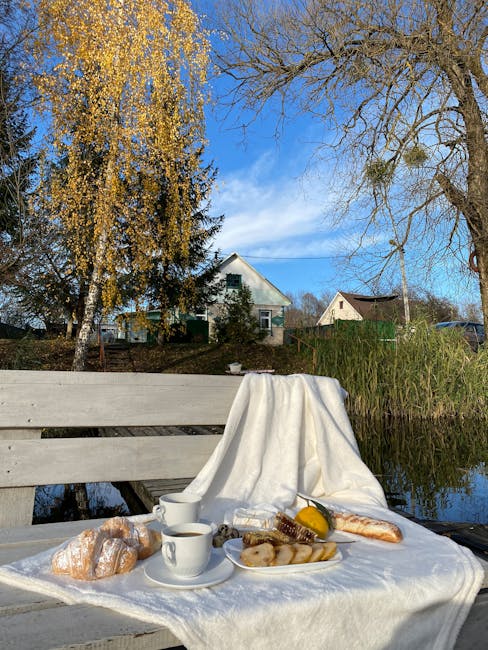
Garda cuisine blends lake traditions with Mediterranean influences. At an organic farmstay, dishes respect seasonality: in spring you’ll find wild asparagus, broad beans and cime di rapa; summer brings ripe tomatoes, basil and lake fish; autumn highlights mushrooms, squash and the new olive oil; winter offers slow-cooked stews, aged cheeses and full-bodied wines. Here are the culinary elements not to miss and how they’re typically served on the farm:
- Lavarello (Coregone) from the lake: pan-seared or as carpaccio, served with local olive oil and lemon zest; commonly offered at farms near the shore; plate price €12–20.
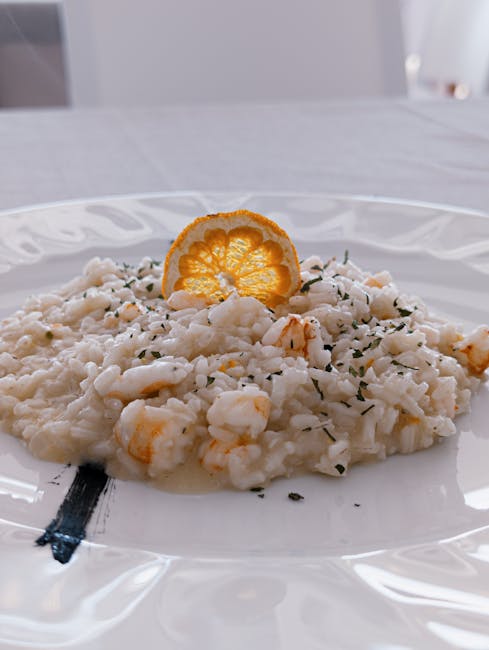
- Risotto al Limone di Sirmione: a creamy risotto perfumed with local lemon, made with organic vegetable stock and butter or olive oil; main dish €14–18.
- Bardolino and Garda Classico: wines served by the glass (€3–6) or bottle (€12–25), often from the farm’s vines or a neighboring cooperative.
- Extra-Virgin Olive Oil: tasted as a condiment, sold between €10 and €18 depending on designation and vintage.
- Goat cheeses and local tomes: tasting boards €8–15, often paired with homemade jams made from figs or blackberries.
Organic farmstays also offer educational menus: vertical tastings of oils, mozzarella or burrata workshops (typically €25–40), and classes teaching the basics of fresh pasta. Meals are often communal, served on long tables to encourage conversation among guests and to discover family recipes passed down through generations. The atmosphere is simple, warm and focused on taste rather than elaborate plating.
Food tip: always ask where the ingredients come from. Farmstays proud of their production will happily explain the origin of each menu component. If you’re vegetarian or have allergies, notify them when booking: small farm kitchens are usually flexible and can adapt dishes without a significant extra charge.
Practical tips for booking, getting around and making the most of your stay
Planning a stay at an organic farmstay around Lake Garda takes a bit of preparation to get the most from the experience. Here are concrete, practical tips:
- Booking: Reserve at least 2–4 weeks ahead in high season (May–Sept). For workshops or specific dinners, confirm participation 7–10 days in advance. Some farms offer promotional rates in low season (November–March).
- Arrival: Most farmstays are best reached by car. The addresses above include commune and street — bring a GPS. If you arrive by train (stations: Desenzano del Garda, Peschiera del Garda, Rovereto, or Riva del Garda), inform the farm to arrange a transfer (often paid, €15–40 depending on distance).
- Budget: Plan roughly €120–180 per day per couple for a room + dinner + breakfast, excluding extra activities. Workshops and guided visits are usually charged separately (€10–40).
- Gear: Walking shoes, swimsuit (many farms are near beaches), light rain jacket in spring/autumn. Bring a cooler to bring back oil, jams and wines purchased on-site.
- Seasonality: For the new olive oil, plan for October–November. For citrus and lemon risotto, spring and summer are ideal. The grape harvest usually happens in September.
- Local respect: Organic farms often apply simple rules: no food in bedrooms, waste sorting and respect for cultivated areas. Be courteous — these farms are production sites first and tourist businesses second.
Finally, enjoy the local heritage: combine your farmstay with visits to Sirmione (Grottoes of Catullus), strolls through the alleys of Bardolino and Lazise, or a boat trip to Malcesine and Monte Baldo. The pairing of gastronomy and landscape discovery is what makes a stay at an organic farm around Lake Garda so rewarding.
Conclusion — How an organic farmstay transforms your Lake Garda experience
Choosing an organic farmstay on Lake Garda means opting for an experience that goes beyond accommodation: it’s a return to authentic flavors, sustainable agriculture and human connection. The farms we’ve highlighted — La Quercia Bio in Sirmione, Corte del Garda in Bardolino, Il Limone in Manerba del Garda, Monti e Vigna in Riva del Garda and Olivaia del Garda in Peschiera del Garda — showcase the territory’s diversity: citrus orchards, olive groves, vineyards and mountain farming. They all share a common commitment: to offer products from organic practices, to cook with what the land provides and to pass on local culinary know-how.
An organic farmstay lets you join educational workshops, taste wines and oils produced on-site, learn traditional agricultural gestures and enjoy shared meals that tell of the season. Prices remain reasonable given the quality: a night from roughly €70–90, a dinner between €20 and €45, and workshops from €10 to €40. Schedules usually follow agricultural rhythms: afternoon check-ins, evening dinners by reservation and morning garden visits.
Practically, prepare your trip by booking ahead, noting dietary preferences and leaving time for outdoor activities. Farmstays are perfect starting points to explore Lake Garda by bike, on foot or by boat, while returning each night to a place steeped in history and flavor. Ultimately, an organic farmstay turns a simple holiday into a lasting gastronomic memory: a bottle of olive oil that brings you back to a sunset terrace, a piece of cheese after a hike, or the taste of lemon risotto that remains your most vivid memory of Lake Garda.
Book, taste, participate and let organic Garda cuisine tell you its story — that of a generous land, tended with patience and respect.